Introduction to Vending Machines in Spokane
Vending machines have become a staple of modern convenience, offering quick access to snacks, beverages, and everyday essentials 24/7. In Spokane, the blend of a growing population, a solid median household income, and a vibrant mix of office, retail, and residential spaces creates an ideal environment for a vending business. With a population of 605,000 and a median household income of $62,287, Spokane residents spend on average more than $600 a month on food and beverages—much of which can be captured through well‑placed vending solutions. The VendingScout Viability Score of 67/100 (Grade: B‑) indicates a healthy potential for profitability, provided operators strategically select locations, products, and services that resonate with local demand.
This guide is designed to walk you through every step of launching a vending machine business in Spokane—from understanding the local market and securing permits to choosing the right inventory and avoiding common pitfalls. Whether you’re a seasoned entrepreneur looking to expand into a new city or a newcomer seeking a low‑barrier entry into the retail world, this comprehensive resource will equip you with the knowledge and tools needed to succeed in Spokane’s dynamic vending landscape.
Why Spokane Is a Strong Market for Vending
Population and Purchasing Power
Spokane’s 605,000 residents provide a broad customer base, while the city’s median household income of $62,287 suggests a stable purchasing power that can support a range of vending offerings, from premium coffee to affordable snack packs. The city’s demographic profile includes a significant number of young professionals, students, and families—all groups that rely on quick, accessible food and beverage solutions.
Economic Growth and Business Ecosystem
Spokane’s economy is diversified across sectors such as healthcare, education, technology, and manufacturing. Key employers like Providence Health & Services, the University of Washington’s Spokane campus, and the federal government offices in the region generate a steady flow of commuters and visitors. These high‑traffic areas—especially the downtown corridor, Riverfront Park, and the Spokane Convention Center—are prime locations for vending machines that can capture the lunchtime and after‑event crowds.
Climate Considerations
Spokane’s climate features cold, snowy winters and warm, dry summers. This seasonal variation directly influences product selection. In winter, hot beverages, soups, and warm snacks perform well, while summer demands cold drinks, ice‑cream, and refreshing fruit options. Vending operators who tailor inventory to seasonal shifts can maintain higher sales volumes and customer satisfaction throughout the year.
Community and Cultural Factors
Spokane’s culture values community engagement and local businesses. Many residents appreciate locally sourced products, artisanal snacks, and sustainable packaging. By partnering with local suppliers—such as the Spokane Farmers Market or specialty grocers like Bodega—operators can differentiate themselves and tap into the city’s preference for locally curated offerings.
Regulatory Environment
Washington State’s business licensing framework is transparent and supportive of small‑business ventures. The Washington Department of Revenue and the Washington State Department of Health provide clear guidelines for vending operators, including food safety standards and licensing requirements. Spokane’s local government offers streamlined processes for obtaining permits, making it easier to launch and maintain a compliant vending operation.
Best Location Types in Spokane
Choosing the right location is crucial for maximizing foot traffic and revenue. Spokane offers several high‑potential venue types:
1. Downtown Spokane and The 4th Street Corridor
The heart of Spokane’s business district sees a daily influx of office workers, shoppers, and tourists. Placing machines in office buildings such as the John R. Baird Building or the Wells Fargo Plaza can capture lunch‑time and after‑hours traffic. Additionally, the bustling pedestrian zones along Sprague Avenue and the Riverfront Park attract visitors year‑round.
2. University and College Campuses
The University of Washington’s Spokane campus and Spokane Community College host thousands of students and staff. Campus vending machines—especially near student centers, libraries, and dormitories—benefit from constant demand for snacks and drinks. Collaborating with campus facilities management can secure prime spots and reliable maintenance schedules.
3. Healthcare Facilities
Hospitals and clinics like Providence Holy Family Hospital, St. Luke’s Medical Center, and the Spokane Veterans Affairs Medical Center are ideal because patients, visitors, and staff often look for quick refreshments. Machines placed in waiting areas, cafeterias, and patient lounges can provide steady revenue streams.
4. Retail Malls and Shopping Centers
The Mall at Greenacres and the West Village Shopping Center draw shoppers who are likely to purchase snacks or drinks between purchases. Machines in common areas, parking lots, or near food courts can benefit from high foot traffic and extended operating hours.
5. Transportation Hubs
Spokane International Airport, the Spokane Transit Center, and bus depots experience constant commuter flow. Vending machines in these transit spaces serve travelers looking for quick meals or beverages before flights or during layovers.
6. Residential Complexes
Apartment complexes and senior living facilities such as the Greenway Apartments or the Spokane Senior Center often lack on‑site dining options. Machines installed in lobby areas or community rooms can meet the daily needs of residents.
7. Public Spaces and Parks
Spokane’s parks—Riverfront Park, Manzanita Park, and the Spokane River Trail—host picnics, sports events, and festivals. Machines positioned in these areas can cater to visitors seeking refreshments, especially during summer events like the Spokane International Film Festival or the Spokane Summer Concert Series.
Getting Started: Step‑by‑Step Guide for Spokane
Step 1: Conduct Market Research
Begin by analyzing foot traffic patterns in your chosen locations. Use tools like Google Trends, local footfall reports, and site visits to gauge daily visitor numbers. Pay attention to seasonal variations; for example, Riverfront Park sees higher attendance during summer festivals.
Step 2: Choose Your Vending Machine Types
Spokane’s climate and consumer preferences suggest a mix of machine types:
- Beverage Dispensers: Hot coffee, tea, and cold drinks.
- Snack Machines: Chips, nuts, granola bars, and healthier options.
- Hybrid Machines: Combined snack and beverage units for high‑traffic areas.
- Specialty Machines: Ice cream or frozen yogurt machines for summer events.
Step 3: Secure Locations and Agreements
Contact property managers, campus facilities, or business owners to negotiate placement agreements. Draft a contract that outlines:
- Placement location and visibility.
- Maintenance responsibilities.
- Revenue sharing or flat fee structure.
- Duration of the agreement and renewal terms.
Step 4: Obtain Necessary Licenses and Permits
- Washington Business License: Apply through the Washington State Department of Revenue. Spokane’s local business licensing office can assist with the application process.
- Health Permit: If your machines dispense food or beverages, obtain a food service permit from the Washington State Department of Health. This includes compliance with food safety standards and regular inspections.
- Sales Tax Permit: Register for sales tax collection with the Washington Department of Revenue. Spokane’s local tax office can provide guidance on filing requirements.
- Signage Permit: For outdoor or high‑visibility machines, secure a signage permit from the Spokane City Planning Department.
Step 5: Source Products and Suppliers
Identify wholesale suppliers that serve Washington and can deliver fresh, high‑quality products. Consider local distributors like Bodega for artisanal snacks or Walmart’s wholesale division for bulk beverage purchases. For specialty items, contact Washington-based food manufacturers such as Cannon’s or Brewery B.
Step 6: Purchase or Lease Machines
Decide whether to buy or lease vending machines. Buying upfront offers long‑term cost savings but requires significant capital. Leasing provides flexibility and lower initial costs. Evaluate machine warranties, service contracts, and upgrade options.
Step 7: Install and Test Machines
Work with a local vending service provider to install machines, ensuring they are properly calibrated and stocked. Test each machine’s payment systems (cash, card, mobile) and product dispensing mechanisms. Verify that all machines meet Washington’s accessibility standards.
Step 8: Develop a Maintenance Schedule
Regular maintenance—cleaning, restocking, and technical checks—is vital for reliability. Create a schedule that aligns with each location’s operating hours. For high‑traffic machines, consider weekly service visits.
Step 9: Implement Pricing Strategy
Set prices that balance profitability with competitiveness. Use data from similar vending operators in Spokane and adjust for location premium. Offer loyalty programs or bundle discounts to encourage repeat purchases.
Step 10: Launch Marketing Efforts
Promote your vending services through local media, social networks, and on‑site signage. Collaborate with community groups—such as the Spokane Chamber of Commerce—to raise awareness. Highlight unique product offerings, such as locally sourced snacks or seasonal beverages.
Recommended Equipment for Spokane Vending Operators
Popular with operators across Washington. Reliable equipment saves money on repairs and downtime.
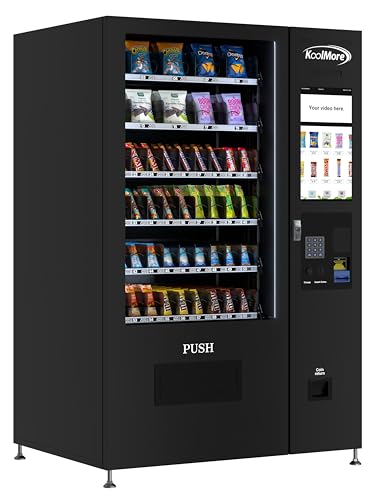
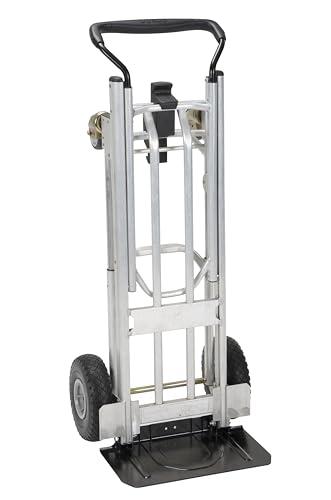
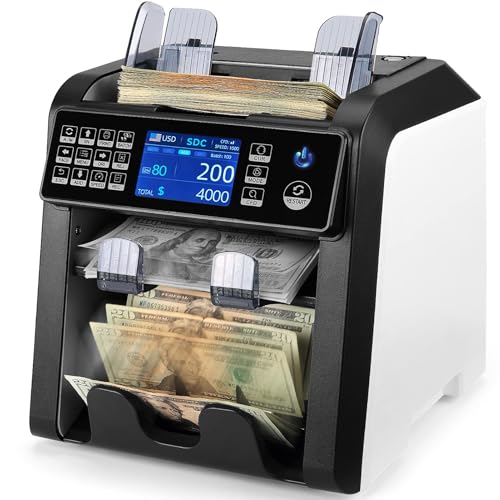

As an Amazon Associate, VendingScout earns from qualifying purchases.
Cost Breakdown for Spokane Operators
Below is a realistic estimate of startup and ongoing costs for a small vending business in Spokane. Figures are in US dollars and may vary based on machine models, supplier agreements, and location contracts.
| Item | Initial Cost | Ongoing Monthly Cost |
|---|---|---|
| 2–3 Vending Machines (purchase) | $4,000 – $6,000 | – |
| 2–3 Vending Machines (lease, 12‑month) | $0 | $350 – $450 |
| Licensing & Permits | $500 | $50 (renewal) |
| Health & Food Safety Inspection | $200 | – |
| Product Inventory (first month) | $2,500 | $1,500 – $2,000 |
| Maintenance & Repairs | $200 | $100 |
| Insurance (general liability) | $150 | $15 |
| Payment Processing Fees | – | 2.5% of sales |
| Marketing & Signage | $300 | $50 |
| Total | $7,850 – $9,850 | $1,615 – $1,965 |
Notes:
- If you choose to lease machines, the initial cost drops to zero, but monthly lease payments increase.
- Product inventory should be replenished at least every two weeks for high‑traffic machines.
- Payment processing fees vary by provider; negotiate rates with your payment processor.
📍 Find the Best Vending Locations in Spokane, WA
Spokane’s VendingScout score is 67/100 (B-) — use VendingScout to pinpoint high-traffic locations, compare neighborhoods, and get a full market analysis before you invest a dollar.
Success Tips Specific to Spokane
1. Seasonal Product Rotation
Use Spokane’s distinct seasons to rotate inventory. In winter, emphasize hot drinks and warm snacks; in summer, focus on cold beverages, ice‑cream, and light fare.
2. Leverage Local Partnerships
Partner with Spokane businesses such as Sullivan’s Market or The Corner Café to supply fresh products or cross‑promote services. Local sourcing can reduce costs and attract community support.
3. Capitalize on Events
Spokane hosts events like the Spokane International Film Festival, Spokane Jazz, and Summer Concert Series. Secure temporary vending spots during these events to tap into large crowds.
4. Use Data Analytics
Install machines with remote monitoring to track sales, inventory levels, and payment trends. Use this data to optimize restocking schedules and identify best‑selling items.
5. Prioritize Accessibility
Ensure machines are ADA compliant, with accessible payment options and product displays. Spokane’s aging population and diverse workforce benefit from inclusive vending solutions.
6. Offer Healthy Options
Spokane residents increasingly prioritize health. Stock low‑sugar drinks, organic snacks, and gluten‑free items to meet demand.
7. Maintain Strong Relationships
Build rapport with property managers, campus officials, and local business owners. A reliable, courteous operator is more likely to secure long‑term placement agreements.
Common Mistakes New Operators Make in Spokane
1. Ignoring Local Regulations
Failing to obtain the necessary health permits or sales tax registrations can lead to fines and operational shutdowns. Always verify Washington and Spokane-specific requirements before launching.
2. Underestimating Inventory Needs
Running out of stock during peak hours frustrates customers and reduces sales. Use historical data to forecast demand and schedule timely restocking.
3. Choosing Poor Locations
Placing machines in low‑traffic or highly competitive areas can result in minimal returns. Conduct thorough site audits and secure high‑visibility spots.
4. Neglecting Machine Maintenance
Unrepaired malfunctions—such as jammed product trays or faulty payment terminals—can quickly erode customer trust. Schedule regular maintenance and respond promptly to issues.
5. Setting Inflexible Pricing
Fixed prices that do not account for location premium or seasonal demand can reduce competitiveness. Adjust pricing dynamically based on foot traffic and product cost fluctuations.
6. Overlooking Payment Options
Relying solely on cash limits customer convenience. Incorporate card readers and mobile payment solutions to cater to a broader demographic.
7. Failing to Build Community Ties
New operators sometimes treat vending as a purely transactional business. Engaging with the Spokane community—through local events or sponsorships—can boost brand visibility and loyalty.
Frequently Asked Questions About Vending in Spokane
1. How much can I realistically earn from a vending machine in Spokane?
A single well‑placed machine in downtown Spokane can generate $1,500 to $3,000 in monthly gross revenue, depending on foot traffic and product mix. With two machines, many operators see net profits of $500 to $1,200 per month after costs. Seasonal adjustments and premium product offerings can further increase earnings.
2. Do I need a permit or business license to operate in Spokane?
Yes. You must register a business with the Washington State Department of Revenue, obtain a sales tax permit, secure a health permit if you dispense food or beverages, and, for certain locations, acquire a local signage permit from Spokane City Planning.
3. What products sell best in Spokane?
Hot beverages (coffee, tea), cold drinks (soda, bottled water), snack packs (chips, nuts), and healthy options (granola bars, fruit cups) perform well. During winter, hot soups and warm snacks see higher demand; summer favors ice‑cream, frozen yogurt, and chilled beverages.
4. How many machines do I need to start profitably in Spokane?
Starting with two to three machines in high‑traffic locations typically suffices to cover startup costs and generate a modest profit. Expanding to five or more machines allows for diversified revenue streams and higher overall earnings.
5. Can I run a vending business part‑time in Spokane?
Absolutely. Many operators manage a small fleet of machines while maintaining other jobs. Key to success is efficient inventory management, reliable maintenance contracts, and automated payment processing.
6. What is the biggest challenge for vending operators in Spokane?
Weather‑related inventory management is a significant challenge. Spokane’s cold winters and hot summers require frequent product rotation to keep offerings fresh and appealing, adding complexity to restocking schedules.
7. Where can I find wholesale product suppliers serving Washington?
Major wholesalers such as Walmart’s wholesale division, Costco Business Center, and Kroger’s wholesale serve Washington. Local suppliers include Bodega for artisanal snacks and Cannon’s for specialty beverages. Online platforms like Alibaba or ThomasNet also connect you with Washington‑based manufacturers.
Resources for Spokane Vending Entrepreneurs
- Spokane Chamber of Commerce – Offers networking events, business development workshops, and local market insights.
- Washington State Department of Revenue – Provides licensing, tax registration, and compliance resources.
- Washington State Department of Health – Publishes food safety guidelines and health inspection protocols for vending operators.
- Spokane City Planning Department – Handles signage permits, zoning regulations, and site‑specific approvals.
- Spokane Public Schools – Contact the Facilities Management Office for vending opportunities on campus.
- Spokane Convention Center – Inquire about temporary vending contracts during events.
- Local Supplier Directories – The Spokane Business Directory lists wholesalers and distributors across the state.
Ready to Start Your Spokane Vending Business?
VendingScout gives you the data-driven edge — real foot traffic scores, neighborhood comparisons, and ROI projections for Spokane and hundreds of other markets.
Conclusion
Starting a vending machine business in Spokane offers a promising avenue for entrepreneurs who combine strategic location selection, seasonal product awareness, and regulatory compliance. With a population of 605
Nearby vending markets
Comparing markets before you commit? These are the closest cities we have guides for.
- Seattle, WA 228 mi · pop. 753,675 · median income $102,486 · grade B+
- Portland, OR 290 mi · pop. 652,503 · median income $73,159 · grade B-
- Stockton, CA 698 mi · pop. 320,804 · median income $52,060 · grade C+
- San Francisco, CA 728 mi · pop. 881,549 · median income $119,136 · grade B+
- San Jose, CA 748 mi · pop. 1,013,240 · median income $117,474 · grade C+
Run the numbers for your own route with the free vending machine profit calculator →