Introduction to Vending Machines in New York
Vending machines have become a staple of New York life, popping up in subway stations, office lobbies, hospitals, and even the back alleys of Brooklyn. For entrepreneurs, New York offers a dense, diverse population—over 8.3 million residents—combined with a median household income of $70,663, making it a lucrative market for passive income. The city’s 70/100 VendingScout Viability Score (Grade B) signals solid demand but also stiff competition. This guide walks you through every step of launching a vending machine business in New York, from choosing the right spots to navigating local regulations, all while keeping your costs in check and your profits on track.
Why New York Is a Strong Market for Vending
New York’s unique blend of commuters, tourists, students, and professionals creates a constant flow of foot traffic. In Manhattan’s Midtown, a single machine can see over 1,200 visitors a day, while a machine in the Bronx’s Arthur Avenue can attract 300–400 customers weekly. The city’s high density means that well‑placed machines can serve hundreds of people without the need for a storefront. Additionally, New York’s climate—cold, snowy winters and humid, hot summers—drives demand for seasonal products like hot chocolate, cold drinks, and insulated snack packs, allowing operators to diversify inventory. The city’s vibrant food culture also fuels interest in artisanal snacks and health‑conscious options, giving operators the chance to tap into niche markets.
Best Location Types in New York
1. Subway Stations – The MTA’s 24/7 foot traffic is ideal; however, securing a spot requires a partnership with the MTA and adherence to strict safety standards.
2. Office Buildings & Corporate Lobbies – Places like the Flatiron District and Hudson Yards offer high daytime traffic and the potential for corporate contracts.
3. Hospitals & Medical Centers – The New York‑Presbyterian and Mount Sinai hospitals have a constant flow of patients, staff, and visitors who need quick snacks.
4. Educational Institutions – Columbia University, NYU, and Brooklyn College campuses provide a steady stream of students and faculty.
5. Tourist Attractions – Times Square, Central Park, and the Statue of Liberty ferry terminals are high‑visibility spots.
6. Retail and Shopping Centers – The Westfield Garden Place and The Shops at Westchester have high dwell times.
7. Transportation Hubs – Penn Station and Grand Central Terminal are prime spots for commuters.
When selecting a location, consider the local demographic, competition, and the machine’s visibility. High‑traffic, low‑competition areas with easy access to power and internet will maximize ROI.
Getting Started: Step‑by‑Step Guide for New York
1. Market Research – Use VendingScout or local business directories to gauge foot traffic and product demand.
2. Business Structure – Register as an LLC or sole proprietorship through the New York Department of State. An LLC protects personal assets and offers tax flexibility.
3. Obtain Licenses – Apply for a vending machine license from the NYC Department of Consumer and Worker Protection. You’ll need a valid business license and a sales tax permit from the New York State Department of Taxation and Finance.
4. Secure Locations – Negotiate placement agreements with property owners or managers. Many commercial spaces require a lease or a commission on sales.
5. Choose Machines – Purchase or lease high‑quality machines that meet New York’s ADA compliance and safety standards. Consider machines with cashless payment options (credit, Apple Pay, Google Pay).
6. Inventory Sourcing – Partner with local wholesalers like “The Snack Co.” or “Brooklyn Food Supply” to get fresh, local products. For health‑conscious options, explore “Whole Foods NYC” distribution.
7. Installation & Setup – Hire a licensed electrician to install power and connect the machine to a reliable internet source for remote monitoring.
8. Maintenance Schedule – Set up a routine for restocking, cleaning, and troubleshooting. Use a vending management app to track sales and inventory in real time.
9. Marketing & Branding – Design machine signage that reflects New York’s aesthetic. Offer loyalty programs or seasonal promotions to build repeat customers.
10. Compliance & Audits – Regularly review NYC health codes, especially for food machines. Keep receipts and inventory logs to pass any inspections.
Recommended Equipment for New York Vending Operators
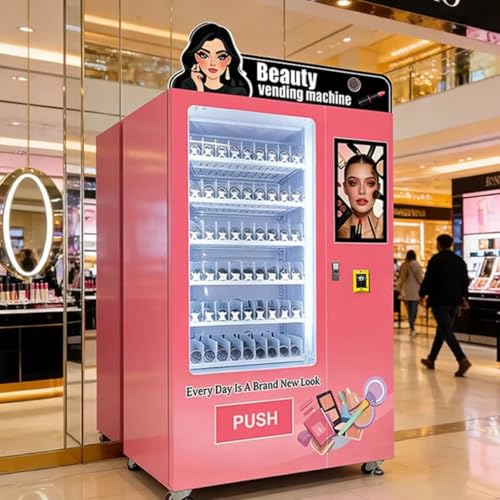
Popular with operators across New York. Reliable equipment saves money on repairs and downtime.
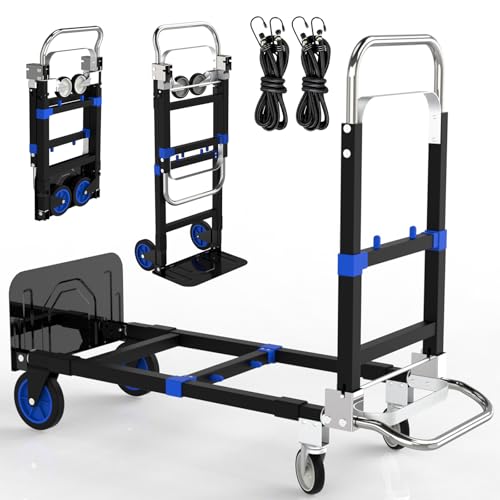
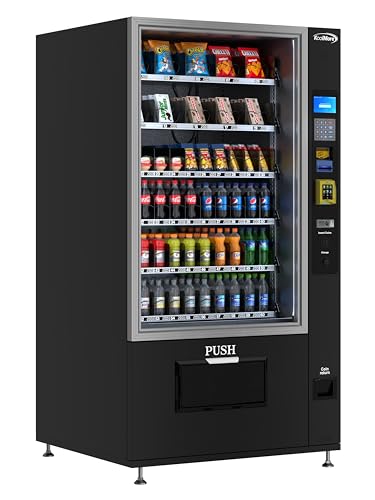
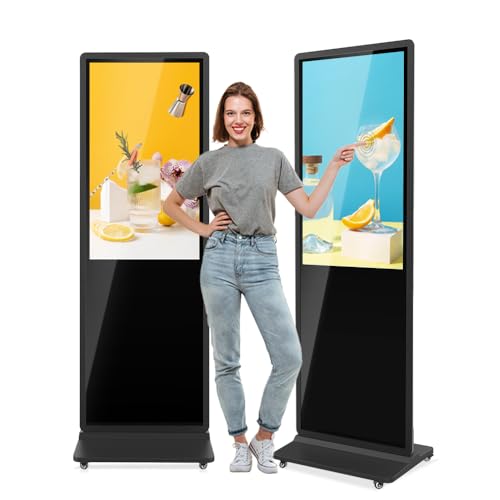
As an Amazon Associate, VendingScout earns from qualifying purchases.
Cost Breakdown for New York Operators
| Item | Approximate Cost (USD) | Notes |
|---|---|---|
| LLC Formation | $200 | Includes filing fee with New York Dept. of State |
| Business License | $50–$300 | Varies by borough and business type |
| Sales Tax Permit | $0 | Must be obtained from NYS Dept. of Taxation |
| Vending Machine (new) | $3,000–$7,000 | ADA‑compliant, cashless capable |
| Lease/Location Agreement | $500–$2,000/month | Depends on foot traffic and location |
| Initial Inventory | $1,000–$3,000 | Bulk purchase for 5–10 machines |
| Power & Internet | $50–$100/month | For each machine |
| Maintenance & Repairs | $200–$400/month | Includes technician visits |
| Insurance | $300–$800/year | General liability, property |
| Marketing | $100–$500/month | Signage, promotions |
| Total Initial Outlay | $6,000–$15,000 | For 1–3 machines |
These estimates assume you’re starting with a modest fleet. Scaling up will increase capital but also spread fixed costs across more units.
📍 Find the Best Vending Locations in New York, NY
New York’s VendingScout score is 70/100 (B) — use VendingScout to pinpoint high-traffic locations, compare neighborhoods, and get a full market analysis before you invest a dollar.
Success Tips Specific to New York
- Embrace Cashless Payments – New York’s tech‑savvy population prefers contactless options. Equip machines with NFC and QR code scanners.
- Seasonal Inventory Adjustments – In winter, stock hot beverages and insulated snacks. Summer calls for cold drinks, frozen treats, and sun‑block accessories.
- Leverage Local Partnerships – Collaborate with nearby cafés or gyms to cross‑promote products. A “coffee + snack” bundle can boost sales.
- Stay ADA‑Compliant – Ensure machines are reachable and signage is readable for all users. Non‑compliance can lead to fines.
- Use Data Analytics – Track sales per machine; identify peak hours and adjust restocking schedules.
- Build a Reputation – Offer excellent customer service; replace faulty machines quickly. Word‑of‑mouth in communities like Williamsburg or the Upper East Side can be powerful.
- Consider Sustainability – New York residents value eco‑friendly options. Use recyclable packaging and offer refillable drink dispensers.
Common Mistakes New Operators Make in New York
1. Ignoring Local Licensing – Skipping the NYC Department of Consumer and Worker Protection license leads to fines and machine seizure.
2. Underestimating Foot Traffic – Placing a machine in a low‑traffic area wastes capital.
3. Neglecting Maintenance – A malfunctioning machine can lose trust; schedule routine checks.
4. Overstocking – Excess inventory ties up cash and increases spoilage.
5. Failing to Adapt to Climate – Not offering seasonal products reduces sales during extreme weather.
6. Overlooking ADA Requirements – Non‑compliant machines face penalties and can be shut down.
7. Underpricing – Setting prices too low to attract customers can erode profit margins.
Frequently Asked Questions About Vending in New York
Is leasing a vending machine a good way to start in New York City?
Leasing can lower your upfront commitment while you test locations, which matters in a city where good placements are competitive. Before you sign, read the term length, early termination language, and who pays for repairs, parts, and service calls. Ask whether the agreement ends with ownership or a return, and what condition the machine must be in when you give it back. Confirm delivery and installation into a walk-up building, since stairs, narrow doorways, and freight elevator scheduling complicate New York drops. Also check that the lease allows you to move the machine if a location falls through.
1. How much can I realistically earn from a vending machine in New York?
A well‑placed machine in Manhattan can average $200–$300 in gross profit per month after costs. In Brooklyn or the Bronx, average monthly profits range from $120–$200. Scaling to 5–10 machines can yield $1,000–$3,000 monthly net profit, depending on location and inventory mix.
2. Do I need a permit or business license to operate in New York?
Yes. You must register a business with the New York Department of State, obtain a sales tax permit from the NYS Department of Taxation, and secure a vending machine license from the NYC Department of Consumer and Worker Protection. Local boroughs may also require additional permits.
3. What products sell best in New York?
Snacks such as chips, nuts, and granola bars; beverages including bottled water, soda, and energy drinks; health‑conscious items like protein bars and gluten‑free snacks; and seasonal products like hot chocolate in winter or iced tea in summer. Local favorites include bagels, pretzels, and artisanal jerky.
4. How many machines do I need to start profitably in New York?
Starting with 2–3 machines in high‑traffic locations can generate a modest profit of $300–$600 per month. Scaling to 5–10 machines across diverse boroughs can increase monthly net income to $1,200–$2,000.
5. Can I run a vending business part-time in New York?
Absolutely. Many operators manage a handful of machines while maintaining other jobs. Key to success is reliable restocking schedules and remote monitoring tools.
6. What is the biggest challenge for vending operators in New York?
Navigating the complex licensing landscape and maintaining compliance with ADA and health regulations. Additionally, high rent and competition in prime locations can squeeze margins.
7. Where can I find wholesale product suppliers serving New York?
Local wholesalers such as “The Snack Co.”, “Brooklyn Food Supply”, and “NYC Wholesale Distributors” serve the city. National suppliers like “Sysco” and “US Foods” also deliver to NYC and offer bulk pricing for vending inventory.
Resources for New York Vending Entrepreneurs
- New York Chamber of Commerce – Offers networking events, business support, and local market insights.
- NYC Department of Consumer and Worker Protection – Licensing, regulations, and consumer protection resources.
- NYC Department of Health – Food safety guidelines for vending machines.
- MTA Office of Advertising & Public Relations – Information on placing machines in subway stations.
- VendingScout NYC Market Analysis – Detailed foot‑traffic data and competitor mapping.
- Local Business Incubators – The Startup NYC program provides mentorship for small businesses, including vending.
- Industry Associations – The Vending Industry Association (VIA) hosts webinars and trade shows that often cover NYC-specific topics.
Ready to Start Your New York Vending Business?
VendingScout gives you the data-driven edge — real foot traffic scores, neighborhood comparisons, and ROI projections for New York and hundreds of other markets.
Conclusion
Launching a vending machine business in New York is a promising venture for entrepreneurs who combine strategic location scouting, rigorous compliance, and savvy inventory management. With a dense, diverse population and a climate that demands seasonal product adaptation, New York offers both challenges and abundant opportunities. By securing the necessary licenses, choosing high‑traffic spots—from subway hubs to university campuses—and leveraging local suppliers and resources like the New York Chamber of Commerce, you can build a resilient vending operation. Remember to stay flexible, monitor data closely, and keep your machines fresh and compliant. The city’s vibrant energy and constant flow of foot traffic mean that, with the right approach, your vending machines can become a steady source of income while serving the needs of New York’s dynamic residents and visitors.
Nearby vending markets
Comparing markets before you commit? These are the closest cities we have guides for.
- Philadelphia, PA 81 mi · pop. 1,584,064 · median income $47,474 · grade C+
- Baltimore, MD 169 mi · pop. 585,708 · median income $52,164 · grade B-
- Washington, DC 204 mi · pop. 705,749 · median income $93,547 · grade A-
- Virginia Beach, VA 287 mi · pop. 459,470 · median income $77,677 · grade B
- Pittsburgh, PA 315 mi · pop. 302,971 · median income $50,756 · grade B-
Run the numbers for your own route with the free vending machine profit calculator →