Introduction to Vending Machines in Los Angeles
Los Angeles is a sprawling metropolis of nearly four million residents, a cultural hub, and a business powerhouse. Its diverse neighborhoods—from the bustling streets of Downtown LA to the tech‑savvy vibes of the Silicon Beach area—offer a dynamic environment for entrepreneurs. For those looking to tap into a market with high foot traffic, strong disposable income, and a penchant for convenience, starting a vending machine business in Los Angeles can be a smart move. This guide will walk you through why Los Angeles is a compelling market, where to place your machines, the regulatory landscape, cost considerations, and practical tips tailored to the city’s unique characteristics.
Why Los Angeles Is a Strong Market for Vending
1. Population and Foot Traffic
Los Angeles’s population of 3,979,576 generates massive daily movement. Tourist hotspots like Hollywood, Griffith Park, and Santa Monica Pier, as well as business districts such as the Financial District and West Hollywood, see thousands of visitors and commuters each day. High foot traffic translates directly into higher sales per machine.
2. Median Household Income
With a median household income of $65,290, Los Angeles residents have discretionary spending power. They are willing to pay a premium for convenience—especially in busy areas where grabbing a quick snack or drink saves time.
3. Tourism and Entertainment
The city’s entertainment industry—Hollywood studios, museums, concert venues, and sports arenas—creates constant demand for on‑the‑go refreshments. Los Angeles’s status as a global tourist destination ensures a steady influx of non‑residents looking for instant gratification.
4. Diverse Demographics
Los Angeles’s multicultural population means a wide array of taste preferences. A well‑curated product mix that includes health‑conscious options, international snacks, and local favorites can capture a broad customer base.
5. VendingScout Viability Score
While the VendingScout Viability Score for Los Angeles is 54/100 (Grade: C‑), this reflects a moderate opportunity that can be amplified with strategic location selection and product optimization. The score is a baseline; savvy operators can outperform it by focusing on high‑traffic, underserved niches.
Best Location Types in Los Angeles
Choosing the right location is critical. In Los Angeles, the following venues typically yield the highest returns:
| Location Type | Why It Works | Examples in Los Angeles |
|---|---|---|
| Office Buildings | Workers need quick snacks during lunch breaks or after meetings. | Staples in Downtown LA, Westfield Century City, LA’s business parks. |
| Hospitals & Medical Centers | Patients, visitors, and staff seek convenience. | UCLA Medical Center, Cedars‑Sinai, Keck Hospital. |
| Educational Institutions | Students and faculty look for affordable, quick bites. | UCLA, USC, Cal State LA, community colleges. |
| Transportation Hubs | Commuters and travelers need refreshments on the go. | Union Station, LAX, Metrolink stations. |
| Entertainment Venues | Movie theaters, concert halls, and sports arenas attract crowds. | TCL Chinese Theatre, Hollywood Bowl, Staples Center. |
| Shopping Centers | Shoppers often pause for a drink or snack. | The Grove, Beverly Center, Westfield Century City. |
| Tourist Attractions | Visitors often seek quick, portable foods. | Griffith Observatory, Santa Monica Pier, The Getty. |
| Gym & Fitness Centers | Athletes and gym-goers need hydration and protein. | LA Fitness, Equinox, local CrossFit boxes. |
| Hotels & Motels | Guests require 24‑hour convenience. | The Beverly Hilton, The Langham, boutique hotels in Downtown LA. |
| Public Parks & Recreational Areas | Outdoor enthusiasts need refreshments. | Echo Park, Runyon Canyon, Venice Beach. |
When scouting for spots, consider the VendingScout Viability Score for each district. For example, the West Hollywood area often has a higher score due to nightlife and dining density, whereas the San Fernando Valley may offer lower competition but also lower foot traffic.
Getting Started: Step‑by‑Step Guide for Los Angeles
- Research Local Regulations
- California Business License: Register your business with the California Secretary of State and obtain a California Business License via the California Business License Online portal.
- Los Angeles Business Tax Certificate: Apply through the Los Angeles Office of Finance.
- Health Department Permits: For food‑service vending, obtain a Food Vendor Permit from the Los Angeles County Department of Public Health.
- Signage and Zoning: Verify that the location allows vending signage and that the property’s zoning permits commercial vending.
- Choose Your Business Structure
- Sole Proprietorship, LLC, or Corporation. An LLC offers liability protection and tax flexibility. File with the California Secretary of State and obtain an EIN from the IRS.
- Secure Financing
- Personal Savings: Common for first‑time operators.
- Small Business Loans: SBA 7(a) or 504 loans, local banks like Wells Fargo or Bank of America, or community banks such as Bank of the West.
- Vendor Financing: Some machine manufacturers offer lease‑to‑own options.
- Select Vending Machines
- Machine Types: Snack, beverage, combo, or specialty (e.g., cold coffee).
- Features: Energy‑efficient, Wi‑Fi connectivity, mobile payment compatibility (Apple Pay, Google Pay), and climate‑controlled units for hot Los Angeles summers.
- Supplier: Look for reputable manufacturers like Seaga, Vendo, or Vending Machine Specialists. Consider machine warranties and after‑sales support.
- Develop a Product Mix
- Climate‑Sensitive Items: Cold beverages, frozen desserts, and chilled snacks.
- Health‑Focused Options: Protein bars, nuts, dried fruit, and low‑sugar drinks.
- Local Favorites: Include popular Los Angeles brands (e.g., In-N-Out, Starbucks, local craft soda brands).
- Seasonal Adjustments: Offer more cold items in summer and warmer options (hot chocolate, coffee) in winter.
- Negotiate Placement Agreements
- Property Owner/Manager: Draft a lease or placement agreement outlining rent, revenue split (typically 10–20% of sales), and responsibilities.
- Security: Discuss surveillance, maintenance, and liability clauses.
- Set Up Inventory and Restocking Schedule
- Inventory Management Software: Use tools like VendBot or VendPro for real‑time inventory tracking.
- Restocking Frequency: For high‑traffic locations, restock daily; for lower traffic, every 3–5 days.
- Install and Test Machines
- Ensure all machines are calibrated, secure, and functional. Test payment methods, temperature controls, and signage.
- Launch and Market
- Local Advertising: Place flyers in nearby businesses, partner with local influencers, and use Instagram stories highlighting your products.
- Promotions: Offer first‑time discounts or bundle deals (e.g., buy a snack, get a free drink).
- Community Engagement: Sponsor local events or charity runs in Los Angeles to raise brand visibility.
- Monitor Performance and Optimize
- Use sales data to adjust product mix, reposition machines, or renegotiate terms.
- Keep an eye on competition and emerging trends (e.g., plant‑based snacks, keto‑friendly items).
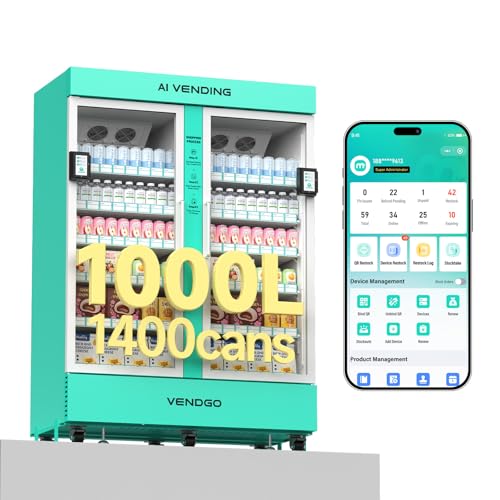
Recommended Equipment for Los Angeles Vending Operators
Popular with operators across California. Reliable equipment saves money on repairs and downtime.
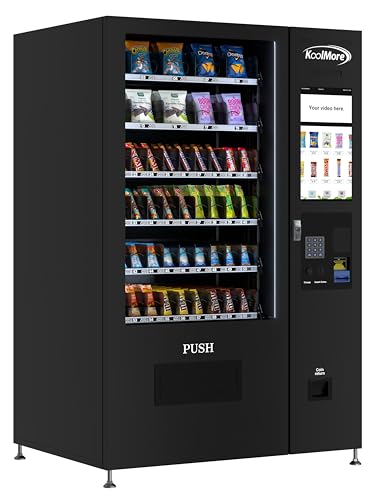
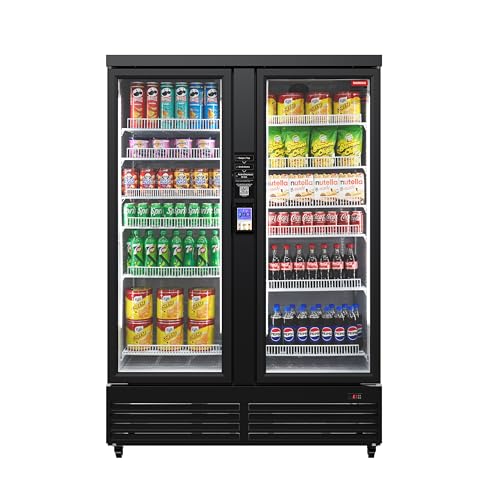
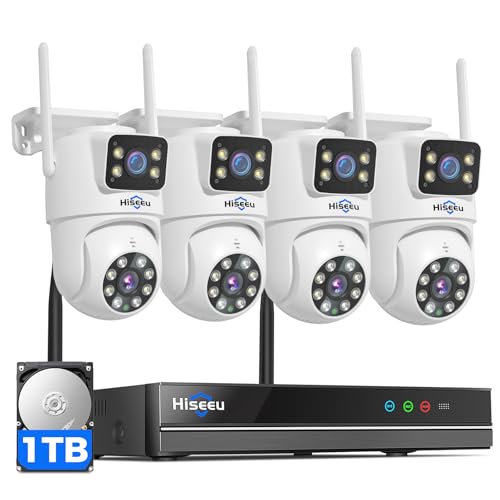
As an Amazon Associate, VendingScout earns from qualifying purchases.
Cost Breakdown for Los Angeles Operators
| Expense Category | Typical Cost (USD) | Notes |
|---|---|---|
| Business Registration & Licensing | $500–$1,200 | Includes California Secretary of State filing, Los Angeles Business Tax Certificate, and health permits. |
| Vending Machines (per unit) | $2,000–$6,000 | Depends on type, size, and features. Energy‑efficient models cost more upfront but save on utilities. |
| Initial Inventory | $1,000–$3,000 | Stocking 5–10 machines with a mix of snacks and beverages. |
| Restocking & Supplies | $200–$400/month | Includes packaging, cleaning supplies, and replacement parts. |
| Transportation | $100–$300/month | Fuel, vehicle maintenance, and mileage for restocking. |
| Insurance | $300–$800/year | General liability and property insurance. |
| Marketing & Advertising | $200–$500/month | Local ads, social media promotion, and community sponsorships. |
| Maintenance & Repairs | $100–$300/month | Routine servicing and unexpected repairs. |
| Total Monthly Operating Cost | $2,200–$4,500 | Varies with machine count and location agreements. |
ROI Estimate
- A single high‑traffic machine can generate $400–$600 in monthly profit after expenses.
- With 5 machines, you could see $2,000–$3,000 monthly profit, translating to $24,000–$36,000 annually.
- Break‑even typically occurs within 12–18 months, assuming steady foot traffic and efficient inventory management.
📍 Find the Best Vending Locations in Los Angeles, CA
Los Angeles’s VendingScout score is 54/100 (C-) — use VendingScout to pinpoint high-traffic locations, compare neighborhoods, and get a full market analysis before you invest a dollar.
Success Tips Specific to Los Angeles
1. Leverage Climate‑Smart Products
Los Angeles’s hot, dry summers mean that customers crave cold, refreshing items. Equip machines with refrigeration units or use insulated packaging to keep drinks at optimal temperatures.
2. Capitalize on the Food Culture
Los Angeles is known for its culinary diversity. Stock items that reflect local tastes—think Mexican street tacos, Korean fried chicken bites, or vegan protein bars—to resonate with residents and tourists alike.
3. Use Smart Technology
Integrate mobile payment options and real‑time inventory alerts. Los Angeles consumers appreciate convenience, so offering contactless payment and app‑based loyalty programs can boost repeat sales.
4. Partner with Local Businesses
Collaborate with nearby cafés, gyms, and offices for cross‑promotion. For example, offer a discount code for your vending machine to employees of a nearby tech startup.
5. Stay Compliant with Health Standards
California’s food safety regulations are stringent. Keep machines clean, rotate stock frequently, and maintain proper temperature logs to avoid penalties.
6. Seasonal Marketing
Promote summer treats during July–August and cozy hot drinks during December–January. Los Angeles residents enjoy seasonal offerings, especially at popular tourist sites like Griffith Observatory.
7. Track Data Analytics
Use vending software to monitor which products sell best in each location. Adjust inventory accordingly—if a machine at LAX sells out of protein shakes early, restock more or add new flavors.
8. Engage with the Community
Host a “Los Angeles Flavor Friday” where you feature a new snack inspired by a local neighborhood. Use Instagram to showcase the product and tag the area, encouraging local engagement.
Common Mistakes New Operators Make in Los Angeles
1. Ignoring Local Licensing Requirements
Skipping health permits or business tax certificates can result in fines or shutdowns. Always verify with the Los Angeles Office of Finance and County Health Department before launching.
2. Underestimating Foot Traffic Variability
Placing machines in low‑traffic areas or during off‑peak hours reduces sales. Use foot‑traffic data or conduct a quick survey before committing.
3. Overloading Machines with Too Many Products
A cluttered machine confuses customers. Stick to a focused selection—typically 6–10 items per machine—to streamline choices and reduce inventory costs.
4. Neglecting Climate Controls
Without adequate refrigeration, beverages can spoil quickly, especially in the Los Angeles heat. Invest in energy‑efficient cooling units and monitor temperatures regularly.
5. Failing to Build Strong Relationships with Property Owners
A weak placement agreement can lead to abrupt removal or unfavorable revenue splits. Negotiate clear terms and maintain open communication.
6. Ignoring Data Insights
Not tracking sales data means missed opportunities to optimize product mix or location. Use vending software to inform decisions.
7. Underpricing for Competition
While competitive pricing is important, undercutting too aggressively can erode profit margins. Price based on cost, local income levels, and perceived value.
Frequently Asked Questions About Vending in Los Angeles
1. How much can I realistically earn from a vending machine in Los Angeles?
A single high‑traffic machine can net $400–$600 in monthly profit after operating costs. With five machines in prime locations, you could see $2,000–$3,000 per month, equating to $24,000–$36,000 annually. Earnings vary with location, product mix, and restocking efficiency.
2. Do I need a permit or business license to operate in Los Angeles?
Yes. You must register your business with the California Secretary of State, obtain a Los Angeles Business Tax Certificate, and secure a Food Vendor Permit if you sell consumable goods. Additionally, any signage or placement agreements may require local zoning approval.
3. What products sell best in Los Angeles?
Cold beverages (iced tea, bottled water, soda), frozen desserts, protein bars, nuts, dried fruit, and health‑conscious snacks perform well. Local favorites such as craft sodas, vegan options, and items reflecting the city’s diverse culinary scene also drive sales.
4. How many machines do I need to start profitably in Los Angeles?
Starting with 3–5 machines in high‑traffic locations can generate a modest profit. Scaling up to 10–15 machines allows for diversification across districts like Downtown LA, Hollywood, and the Santa Monica area, increasing overall revenue.
5. Can I run a vending business part‑time in Los Angeles?
Absolutely. Many operators maintain a part‑time schedule, focusing on restocking during early mornings or late evenings. The key is to secure reliable placement agreements and use automated inventory systems to minimize manual oversight.
6. What is the biggest challenge for vending operators in Los Angeles?
Managing regulatory compliance—especially health permits and zoning restrictions—remains the toughest hurdle. Additionally, the city’s high competition and fluctuating foot traffic demand constant data analysis and agile inventory management.
7. Where can I find wholesale product suppliers serving California?
Look for wholesalers like S&S Foodservice, U.S. Foods, and Costco Business Center, all of which offer California‑wide distribution. Specialty suppliers such as Health‑Bite for snack bars and California‑based craft soda producers can provide unique products that resonate locally.
Resources for Los Angeles Vending Entrepreneurs
- Los Angeles Chamber of Commerce – Offers networking events, business workshops, and local market data.
- California Secretary of State – Business Portal – For registering your entity and filing necessary documents.
- Los Angeles Office of Finance – Business Tax Certificate – Key for operating legally within city limits.
- Los Angeles County Department of Public Health – Food Vendor Permit – Ensures compliance with health regulations.
- California Business License Online – Streamlined portal for obtaining state licenses.
- Vending Machine Manufacturers – Seaga, Vendo, and Vending Machine Specialists provide machines tailored to hot climates.
- Wholesale Suppliers – S&S Foodservice, U.S. Foods, Costco Business Center, and local craft soda producers.
- Industry Associations – American Vending Association (AVA) and National Automatic Merchandising Association (NAMA) offer industry insights and best practices.
- Local Universities – UCLA’s Small Business Development Center and USC’s Center for Entrepreneurship can provide mentorship and research data.
- Online Communities – Reddit’s r/vending, LinkedIn groups for vending operators, and local Facebook groups for Los Angeles entrepreneurs.
Ready to Start Your Los Angeles Vending Business?
VendingScout gives you the data-driven edge — real foot traffic scores, neighborhood comparisons, and ROI projections for Los Angeles and hundreds of other markets.
Conclusion
Launching a vending machine business in Los Angeles offers a unique blend of opportunity and challenge. With a population that values convenience, a climate that favors chilled products, and a vibrant mix of tourists and locals, the city presents a fertile ground for entrepreneurs willing to navigate regulatory hurdles and invest in smart technology. By strategically selecting high‑traffic locations, curating a product mix that reflects local tastes, and leveraging data analytics, operators can build a profitable venture that serves the dynamic Los Angeles market. Remember to stay compliant with California and Los Angeles licensing requirements, partner with reputable suppliers, and continuously adapt to consumer trends. With diligence and a focus on customer convenience, your vending machine business can thrive in the City of Angels.
Nearby vending markets
Comparing markets before you commit? These are the closest cities we have guides for.
- Long Beach, CA 20 mi · pop. 466,742 · median income $65,043 · grade B
- Santa Ana, CA 30 mi · pop. 332,318 · median income $60,204 · grade B-
- Riverside, CA 50 mi · pop. 331,360 · median income $67,247 · grade B-
- Bakersfield, CA 101 mi · pop. 380,874 · median income $58,208 · grade C-
- San Diego, CA 111 mi · pop. 1,386,932 · median income $83,454 · grade B-
Run the numbers for your own route with the free vending machine profit calculator →