
Introduction to Vending Machines in New Orleans
New Orleans, Louisiana, known for its vibrant music scene, historic architecture, and world‑renowned cuisine, also offers a fertile ground for small business entrepreneurs. With a population of 383,997 and a median household income of $43,174, the city’s residents and tourists alike generate steady foot traffic that is ideal for vending machine placement. The VendingScout Viability Score for New Orleans stands at 61/100, translating to a C+ grade—an indicator that while the market is competitive, it remains profitable for well‑positioned operators.
Vending machines provide a low‑overhead, high‑visibility revenue stream that can be tailored to the unique climate, culture, and commercial districts of New Orleans. Whether you’re a seasoned entrepreneur looking to diversify your portfolio or a newcomer eager to tap into the city’s bustling tourism corridors, this guide will walk you through every step of launching a vending machine business in New Orleans, from site selection to product strategy, legal compliance, and growth tactics.
Why New Orleans Is a Strong Market for Vending
New Orleans boasts a dynamic mix of residents, students, tourists, and business travelers that keeps streets busy throughout the year. Several factors make the city a compelling market for vending:
1. Tourism Hub – The French Quarter, Garden District, and Warehouse District attract millions of visitors annually. Tourists often seek convenient, on‑the‑go snacks, especially after a night of revelry or a day of sightseeing.
2. College Town – Tulane University, Loyola University New Orleans, and the University of New Orleans bring a young, snack‑driven demographic that favors quick, affordable options near campus and student housing.
3. Business Districts – The Central Business District and the Mercedes‑Benz Corporate Center host thousands of professionals who rely on vending for lunches, coffee, and healthy grab‑and‑go choices.
4. Climate Considerations – New Orleans’ humid subtropical climate means high temperatures and humidity can drive demand for cold beverages, frozen treats, and cooling snacks. Machines that can maintain temperature control are especially attractive.
5. Cultural Food Preferences – The city’s culinary heritage—gumbo, beignets, Cajun spices—can be reflected in vending assortments, creating a local flavor that resonates with both locals and tourists.
6. Event‑Driven Demand – Mardi Gras, Jazz Fest, and other large events create temporary spikes in foot traffic, providing opportunities for short‑term machine placement or pop‑up kiosks.
The VendingScout Viability Score of 61/100 indicates a moderate level of competition but also a solid potential for profit when operators choose the right locations, products, and service model.
Best Location Types in New Orleans
Choosing the right location is arguably the most critical factor for vending success in New Orleans. Here are the top location types to consider:
1. Tourist Hotspots
- French Quarter – Near Bourbon Street, Jackson Square, and the Canal Street corridor. High pedestrian traffic, especially during evening hours.
- Garden District – Historic homes and parks attract daytime visitors.
- Warehouse District – Art galleries, restaurants, and boutique hotels draw a mix of tourists and locals.
2. College Campuses
- Tulane University – Near the main quad and dining halls.
- Loyola University New Orleans – Close to student housing and the campus library.
- University of New Orleans – Near the Student Union and campus cafés.
3. Business Centers
- Central Business District (CBD) – Near office buildings, co‑working spaces, and the Mercedes‑Benz Corporate Center.
- Southbank Corporate Center – A newer office hub with ample parking and foot traffic.
4. Hospital and Medical Facilities
- Ochsner Health System – Near the main entrance and patient parking lots.
- University Medical Center – In proximity to staff lounges and waiting areas.
5. Transportation Hubs
- Louis Armstrong New Orleans International Airport – Terminal vending near security checkpoints.
- Louisiana State Street Station – Near the Amtrak platform and commuter bus stops.
6. Residential Areas with High Walkability
- Mid-City – Near apartment complexes and local cafés.
- Uptown – Near the Audubon Park and residential streets.
When selecting a site, consider foot traffic volume, competition, security, and proximity to power sources. In New Orleans, power availability is usually reliable, but you should confirm with local utilities, especially in older buildings.
Getting Started: Step‑by‑Step Guide for New Orleans
Step 1: Market Research
- Analyze Foot Traffic – Use city data, local business reports, and on‑site observation to estimate daily footfall.
- Survey Local Preferences – Talk to residents, students, and business staff to gauge snack and beverage preferences.
- Competitive Analysis – Map existing vending machines and note product offerings and price points.
Step 2: Business Plan Development
- Executive Summary – Outline mission, vision, and unique selling proposition (USP).
- Financial Projections – Include startup costs, monthly operating expenses, and projected revenue.
- Marketing Strategy – Define branding, signage, and digital presence.
Step 3: Legal and Regulatory Compliance
- Business Entity Formation – Register as an LLC or corporation with the Louisiana Secretary of State.
- Obtain a Business License – Apply for a general business license through the City of New Orleans Office of Business Licensing.
- Sales Tax Permit – Register with the Louisiana Department of Revenue for sales tax collection.
- Health and Safety Permits – If selling perishable items, secure a food service permit from the Louisiana Department of Health.
- Vending Machine Placement Permits – Some locations, especially on public property, require a permit from the New Orleans Department of Public Works or the local parish authority.
Step 4: Secure Funding
- Personal Savings – Common for first‑time operators.
- Bank Loans – Small Business Administration (SBA) 7(a) or micro‑loan programs.
- Investors or Partners – Consider local angel investors or business incubators.
Step 5: Acquire Machines
- New vs. Used – New machines offer warranties and advanced features; used machines can reduce upfront costs.
- Capacity & Features – Choose machines that support multiple product categories (snacks, beverages, frozen items).
- Temperature Control – Essential for New Orleans’ humid climate; consider machines with built‑in refrigeration.
Step 6: Select Suppliers
- Local Distributors – Partner with Louisiana wholesalers such as Louisiana Foods or Boudreaux’s Food Service for fresh and specialty items.
- National Wholesalers – For bulk snack and beverage inventory, consider Sysco or US Foods.
- Cultural Products – Source beignets, pralines, and Cajun‑spiced snacks from local artisans for a New Orleans‑specific appeal.
Step 7: Site Agreements
- Negotiation – Draft agreements that outline rent, revenue sharing, maintenance responsibilities, and duration.
- Insurance – Obtain property and liability insurance covering the machine and its location.
Step 8: Installation & Testing
- Electrical Setup – Ensure proper grounding and power supply.
- Inventory Loading – Use a balanced mix of high‑margin items and crowd‑pleasers.
- Testing – Verify payment processing, dispensing, and temperature control before opening.
Step 9: Ongoing Operations
- Restocking Schedule – Align with peak traffic times.
- Maintenance – Perform routine cleaning, software updates, and hardware checks.
- Data Analytics – Use machine software to track sales, inventory levels, and customer preferences.
Step 10: Scaling Up
- Add Machines – Replicate successful models in new locations.
- Diversify Products – Introduce healthier options, local craft beverages, or seasonal items.
- Leverage Partnerships – Collaborate with nearby cafés or restaurants for cross‑promotion.
Recommended Equipment for New Orleans Vending Operators
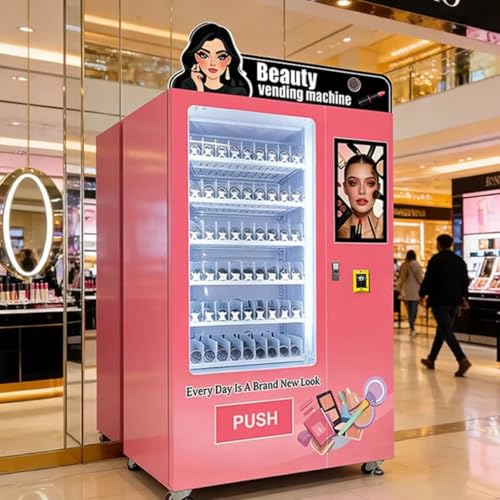
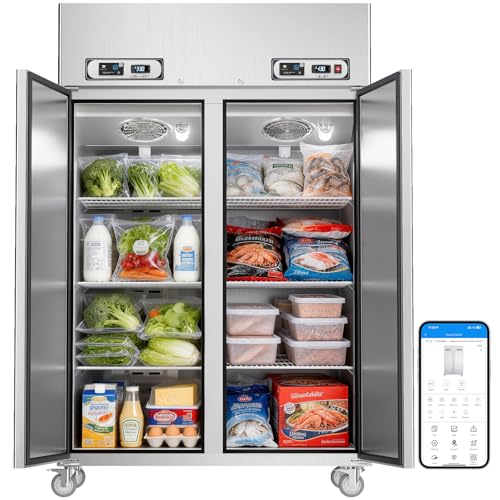
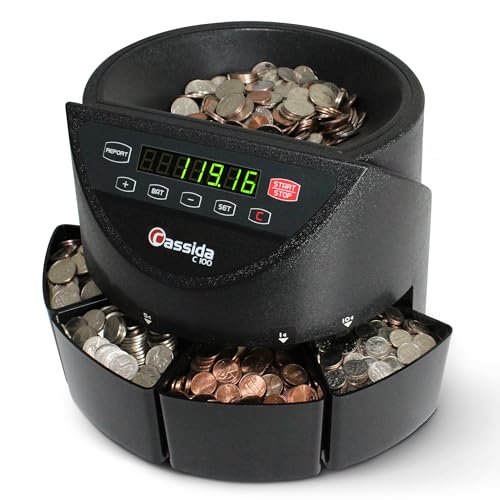
Popular with operators across Louisiana. Reliable equipment saves money on repairs and downtime.
As an Amazon Associate, VendingScout earns from qualifying purchases.
Cost Breakdown for New Orleans Operators
| Item | Cost Range (USD) | Notes |
|---|---|---|
| Business Registration & Licenses | $200 – $1,000 | Includes LLC filing, city business license, sales tax permit |
| Sales Tax Permit | $0 | Registration is free but you must collect and remit taxes |
| Food Service Permit (if perishable) | $150 – $400 | Depends on location and product types |
| Vending Machines (2–3 units) | $3,000 – $12,000 | New machines: $6,000–$10,000 each; Used: $1,500–$3,000 |
| Temperature‑Controlled Units | $4,000 – $8,000 | For beverages and frozen snacks |
| Initial Inventory (first 3 months) | $2,000 – $4,000 | Bulk snacks, beverages, local specialties |
| Insurance (property & liability) | $300 – $700 per year | Depends on coverage limits |
| Power & Connectivity | $50 – $150 per month | Includes electricity and internet if needed |
| Marketing & Signage | $200 – $500 | Local advertising, machine branding |
| Maintenance & Repairs | $100 – $300 per month | Unexpected repairs and routine upkeep |
| Total Startup Cost | $8,500 – $27,000 | Varies by machine count, location, and product mix |
These figures are estimates and can fluctuate based on the specific machines, supplier contracts, and whether you opt for new or refurbished equipment. In New Orleans, utilities are generally stable, but humidity can affect refrigeration costs, so factor in potential higher energy usage for temperature‑controlled machines.
📍 Find the Best Vending Locations in New Orleans, LA
New Orleans’s VendingScout score is 61/100 (C+) — use VendingScout to pinpoint high-traffic locations, compare neighborhoods, and get a full market analysis before you invest a dollar.
Success Tips Specific to New Orleans
1. Leverage Local Culture – Incorporate iconic New Orleans treats such as beignets, pralines, and spicy Cajun chips. A machine stocked with locally inspired items will resonate with both tourists and residents.
2. Climate‑Smart Inventory – Offer cold beverages, frozen yogurt, or chilled sandwiches to counter the humid heat. Ensure machines have reliable refrigeration to maintain product quality.
3. Seasonal Promotions – Align product offerings with city events. During Jazz Fest, stock more cold drinks and energy bars; during Mardi Gras, offer themed snacks or limited‑edition items.
4. Optimize Placement Timing – In the French Quarter, night traffic peaks after 8 pm. Schedule restocks in the early afternoon to avoid stockouts during peak hours.
5. Build Partnerships – Work with local hotels, hostels, and Airbnb hosts to place machines in their lobbies or near guest rooms. Offer revenue sharing to incentivize placement.
6. Use Mobile Payment – Accept contactless payments (Apple Pay, Google Pay) to appeal to tech‑savvy tourists and reduce cash handling risks.
7. Invest in Data Analytics – Track sales by time of day and product category. Use this data to refine inventory and identify underperforming items quickly.
8. Prioritize Security – New Orleans has high tourist traffic but also areas with higher crime rates. Choose well‑lit, visible locations and consider installing CCTV on or near the machine.
9. Engage with the Community – Sponsor a local charity event or donate a portion of profits to a New Orleans food bank. Positive community presence can boost brand reputation.
10. Stay Compliant – Regularly review Louisiana health regulations and city ordinances. Non‑compliance can lead to fines and machine removal.
Common Mistakes New Operators Make in New Orleans
1. Ignoring Climate Impact – Underestimating humidity can cause product spoilage, especially for frozen items.
2. Poor Site Selection – Placing machines in low‑traffic or hard‑to‑access areas reduces sales potential.
3. Neglecting Maintenance – Failing to regularly service refrigeration units leads to breakdowns and lost revenue.
4. Over‑Stocking Expensive Items – Carrying too many high‑margin, low‑turnover products ties up capital.
5. Skipping Licensing – Operating without the required business license or sales tax permit can result in fines.
6. Underestimating Competition – Not differentiating products from nearby cafés or other vending machines leads to cannibalization.
7. Inadequate Security Measures – Not securing machines in high‑traffic tourist areas increases theft risk.
8. Not Using Data – Ignoring sales analytics prevents timely restocking and inventory optimization.
9. Lack of Local Partnerships – Missing opportunities with hotels, universities, and event venues limits expansion.
10. Failing to Adapt to Events – Not adjusting inventory for festivals or holiday peaks leads to missed sales.
Avoiding these pitfalls will help new operators establish a sustainable, profitable vending business in New Orleans.
Frequently Asked Questions About Vending in New Orleans
1. How much can I realistically earn from a vending machine in New Orleans?
A single well‑placed machine in a high‑traffic area can generate $300–$600 in monthly profit after expenses. With a fleet of 5–10 machines, many operators see annual net profits ranging from $15,000 to $35,000, depending on location, product mix, and operational efficiency.
2. Do I need a permit or business license to operate in New Orleans?
Yes. You must register your business with the Louisiana Secretary of State, obtain a New Orleans business license from the Office of Business Licensing, and secure a sales tax permit. If you sell perishable items, a food service permit from the Louisiana Department of Health is also required.
3. What products sell best in New Orleans?
Hot beverages (coffee, iced tea), cold drinks (soda, bottled water), snack bars, local specialties (beignets, pralines), and frozen treats perform well. Seasonal items tied to Mardi Gras, Jazz Fest, or the New Orleans Food & Wine Festival also see strong sales.
4. How many machines do I need to start profitably in New Orleans?
Starting with 2–3 strategically placed machines can yield a modest profit. Scaling to 5–10 machines across diverse locations—tourist hotspots, universities, business districts—generally produces a stable, profitable operation.
5. Can I run a vending business part‑time in New Orleans?
Absolutely. Many operators manage a handful of machines while maintaining another job. Key to success is efficient restocking schedules, reliable machine maintenance, and automated payment processing.
6. What is the biggest challenge for vending operators in New Orleans?
Managing product freshness in a humid climate while maintaining low operational costs. Temperature control and timely restocking are critical to prevent spoilage and keep customers satisfied.
7. Where can I find wholesale product suppliers serving Louisiana?
Local distributors such as Louisiana Foods, Boudreaux’s Food Service, and Southwest Food Distributors provide a range of snacks and beverages. National wholesalers like Sysco and US Foods also serve the state. For specialty New Orleans items, contact local artisans or the New Orleans Food & Beverage Association.
Resources for New Orleans Vending Entrepreneurs
- New Orleans Chamber of Commerce – Offers networking events, business workshops, and local market insights.
- Louisiana Secretary of State – Business Services – For entity registration and compliance.
- Louisiana Department of Revenue – Sales tax permit application and guidance.
- Louisiana Department of Health – Food Service Licensing – Regulations for perishable product vending.
- City of New Orleans Office of Business Licensing – Local permits and zoning information.
- VendingScout – Market viability reports specific to New Orleans.
- Local Distributors – Louisiana Foods, Boudreaux’s Food Service, Southwest Food Distributors.
- New Orleans Food & Beverage Association – Industry events, supplier directories, and best‑practice resources.
- SBA Louisiana – Small Business Administration resources for financing and mentorship.
These resources provide the legal, financial, and operational support necessary to launch and grow a vending machine business in New Orleans.
Ready to Start Your New Orleans Vending Business?
VendingScout gives you the data-driven edge — real foot traffic scores, neighborhood comparisons, and ROI projections for New Orleans and hundreds of other markets.
Conclusion
Starting a vending machine business in New Orleans offers a unique blend of opportunities and challenges. The city’s vibrant tourism, diverse population, and distinct culinary culture create a fertile environment for well‑strategized vending operations. By carefully selecting locations, respecting the humid climate in product choices, complying with Louisiana’s licensing requirements, and leveraging local partnerships, entrepreneurs can build a profitable venture that serves both residents and visitors.
With a moderate viability score of 61/100, New Orleans demands a thoughtful, data‑driven approach. Yet, for those willing to invest in quality machines, local flavors, and consistent maintenance, the rewards can be substantial. Use the steps, tips, and resources outlined above to navigate the intricacies of the New Orleans market, avoid common pitfalls, and turn your vending machine idea into a thriving business that contributes to the city’s dynamic economy.
Nearby vending markets
Comparing markets before you commit? These are the closest cities we have guides for.
- Houston, TX 318 mi · pop. 2,320,268 · median income $52,338 · grade B
- Memphis, TN 359 mi · pop. 633,104 · median income $41,228 · grade B
- Atlanta, GA 424 mi · pop. 506,811 · median income $72,318 · grade C+
- Dallas, TX 442 mi · pop. 1,304,379 · median income $52,210 · grade C+
- Arlington, TX 457 mi · pop. 398,854 · median income $60,929 · grade C
Run the numbers for your own route with the free vending machine profit calculator →