
Introduction to Vending Machines in Chicago
Chicago, Illinois, is a bustling metropolis with a population of 2,693,976 residents, a median household income of $58,247, and a vibrant mix of neighborhoods, businesses, and cultural landmarks. For entrepreneurs looking to tap into a steady revenue stream, vending machines offer a low‑entry, scalable opportunity that can thrive in the Windy City’s diverse environment. According to VendingScout, Chicago’s viability score is 67 out of 100—a solid B‑ grade that signals a healthy market for well‑strategized vending operations. This guide walks you through every step of launching a vending machine business in Chicago, from identifying prime locations to navigating local regulations and weather‑influenced product choices.
Why Chicago Is a Strong Market for Vending
Chicago’s dense population and high foot traffic make it a natural fit for vending. The city’s 2.7 million residents spread across neighborhoods like the Loop, Wicker Park, and Pilsen create a continuous stream of potential customers. Tourists flock to iconic sites such as Navy Pier, Millennium Park, and the Art Institute of Chicago, while commuters traverse the CTA’s extensive rail and bus network. These high‑volume corridors provide ideal spots for vending machines that offer convenience and quick service.
The median household income of $58,247 indicates a sizable middle‑class market that values time‑saving solutions. Vending machines can capitalize on this by offering premium snacks, healthy options, or specialty items that cater to health‑conscious consumers. Additionally, Chicago’s diverse demographic mix—from young professionals in the West Loop to families in the suburbs—means there is demand for a wide range of products, from coffee and energy drinks to fresh fruit and gluten‑free snacks.
Finally, Chicago’s business ecosystem is supportive of small enterprises. The Chicago Chamber of Commerce offers networking events, business development resources, and advocacy for local entrepreneurs, making it easier to connect with suppliers, property owners, and other stakeholders.
Best Location Types in Chicago
Choosing the right location is critical to vending success. In Chicago, the most profitable spots tend to fall into the following categories:
1. Transit Hubs – CTA train stations (e.g., Union Station, Ogilvie Transportation Center), bus terminals, and the Metra’s North Central Service stations attract commuters who need quick snacks or drinks. Installing a machine near a platform or ticketing area can capture high traffic.
2. Office Buildings – The Loop, South Loop, and West Loop house thousands of employees. Placing machines in elevators, break rooms, or lobby areas satisfies the lunchtime and mid‑afternoon cravings of office workers.
3. Educational Institutions – Universities such as the University of Chicago, Northwestern University, and Chicago State University have busy campuses. Machines near lecture halls, libraries, and dormitories can serve students and faculty alike.
4. Hospitality Venues – Hotels (e.g., the Palmer House Hilton, the Kimpton Gray) and conference centers benefit from vending machines that offer coffee, snacks, and travel essentials for guests.
5. Retail and Entertainment Complexes – Shopping centers like Oakbrook Center and entertainment venues such as the United Center or Wrigley Field provide captive audiences during events and peak shopping hours.
6. Healthcare Facilities – Hospitals and outpatient centers (e.g., Northwestern Memorial Hospital, Rush University Medical Center) need vending options for patients, visitors, and staff.
When scouting a location in Chicago, consider foot traffic volume, competition, security, and the ability to access the machine for restocking and maintenance. Always obtain written permission from property owners or managers before installing a vending unit.
Getting Started: Step‑by‑Step Guide for Chicago
1. Market Research
Use tools like VendingScout to analyze Chicago’s vending potential. Look for neighborhoods with high foot traffic, low competition, and a demographic that aligns with your product mix. Pay attention to seasonal trends, such as increased demand for cold beverages during July and August.
2. Choose Your Niche
Decide whether you’ll offer classic snacks, healthy options, coffee, or specialty items. Chicago’s climate—cold winters and humid summers—affects product selection. For example, hot chocolate and coffee are perennial favorites in winter, while cold drinks and fruit cups sell well in summer.
3. Select Machines
Purchase or lease vending machines that can accommodate your product line. Machines with refrigerated compartments are essential for perishable items, while coin‑accepting or mobile‑payment‑enabled units cater to tech‑savvy consumers.
4. Secure Locations
Approach property owners in targeted districts. Prepare a proposal highlighting benefits such as rent‑free placement, increased foot traffic, and a share of profits. Chicago’s zoning regulations allow vending in most commercial areas, but confirm with the Chicago Department of Business Affairs and Consumer Protection.
5. Obtain Licenses and Permits
Register your business with the Illinois Secretary of State and obtain an Illinois Employer Identification Number (EIN). For food vending, acquire a food service establishment permit from the Chicago Department of Public Health. If you sell alcohol or specialty items, additional licenses may be required.
6. Set Up Supplier Relationships
Partner with local wholesalers like the Chicago Wholesale Grocery Cooperative or national distributors that service Illinois. Establish agreements for product pricing, delivery schedules, and return policies.
7. Install Machines
Coordinate with property managers to schedule installation. Ensure the machine’s power supply and connectivity meet the requirements of your chosen unit.
8. Launch and Promote
Announce your new vending locations through local social media groups, community newsletters, and flyers. Offer introductory discounts or loyalty programs to attract first‑time customers.
9. Monitor Performance
Use vending analytics software to track sales, inventory levels, and customer preferences. Adjust product offerings based on data, especially in response to Chicago’s seasonal weather shifts.
10. Maintain Compliance
Keep up with Illinois and Chicago health regulations, including regular sanitation of machines and timely disposal of expired products. File annual reports with the Illinois Department of Revenue and renew any required permits.
Recommended Equipment for Chicago Vending Operators
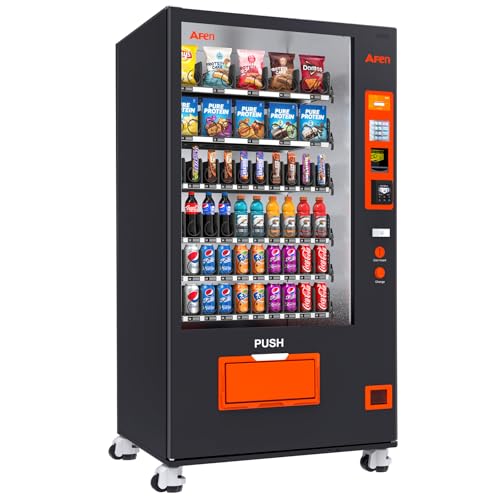
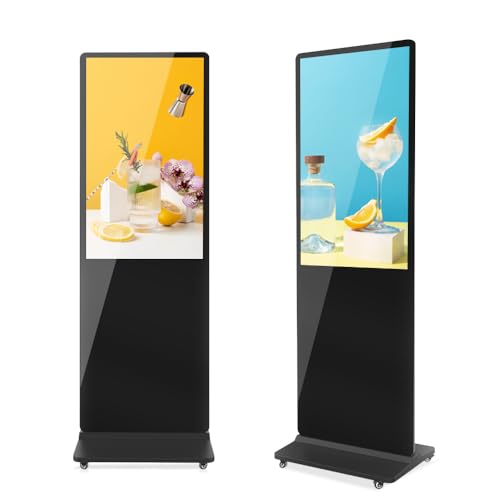
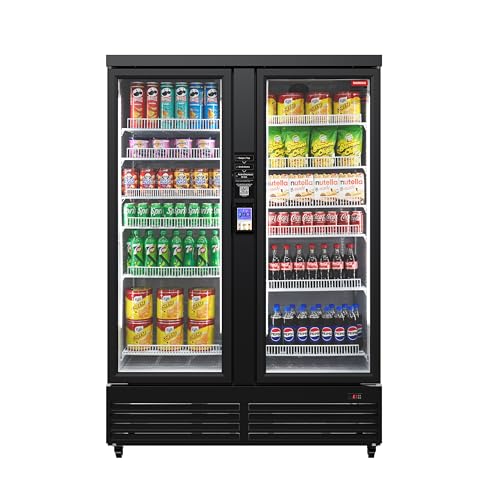
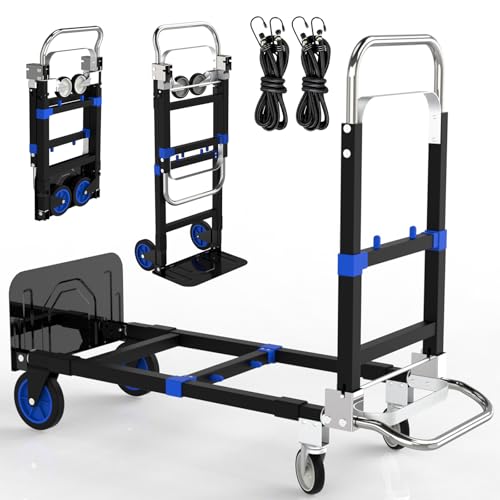
Popular with operators across Illinois. Reliable equipment saves money on repairs and downtime.
As an Amazon Associate, VendingScout earns from qualifying purchases.
Cost Breakdown for Chicago Operators
| Item | Estimated Cost | Notes |
|---|---|---|
| Business Registration | $150–$200 | Illinois Secretary of State filing fee |
| EIN (Federal Tax ID) | Free | Apply online |
| Food Service Permit | $200–$400 | Chicago Department of Public Health |
| Insurance (General Liability, Property) | $800–$1,200 per year | Protect against damage and theft |
| Vending Machines (2–3 units) | $3,000–$6,000 each | Includes refrigeration for perishable goods |
| Initial Inventory | $1,200–$2,500 | Depends on product mix |
| Location Fees | $0–$1,000 per machine | Often rent‑free or revenue share |
| Restocking Supplies (baskets, bags) | $50–$100 | Reusable or disposable |
| Maintenance & Repairs | $200–$400 per year | Unexpected repairs, software updates |
| Marketing & Promotions | $300–$600 | Flyers, social media ads |
| Contingency Fund | $500–$1,000 | Unforeseen expenses |
Total startup cost for a modest 3‑machine operation in Chicago ranges from $6,000 to $10,000, depending on machine type and inventory choices. Leasing machines can reduce upfront costs but may increase long‑term expenses.
📍 Find the Best Vending Locations in Chicago, IL
Chicago’s VendingScout score is 67/100 (B-) — use VendingScout to pinpoint high-traffic locations, compare neighborhoods, and get a full market analysis before you invest a dollar.
Success Tips Specific to Chicago
1. Leverage Local Partnerships
Collaborate with Chicago‑based suppliers and restaurants to source fresh, locally produced items. Chicago’s food scene is renowned for its diversity; offering regional specialties like Chicago‑style hot dogs or Garrett Popcorn can differentiate your vending line.
2. Adapt to Climate
Stock hot beverages during the January–March cold snap and cool drinks in the July–August heat wave. Consider adding a mini‑fridge for fresh fruit during summer.
3. Embrace Mobile Payments
Chicago’s residents are tech‑savvy. Equip machines with NFC and QR code payment options to accommodate contactless transactions, especially important post‑COVID‑19.
4. Monitor Regulatory Changes
Stay updated on Illinois’ evolving food safety laws and Chicago’s municipal ordinances. Attend Chicago Chamber of Commerce events to network with peers and learn about upcoming policy shifts.
5. Offer Seasonal Promotions
Align product bundles with Chicago events—Pumpkin Spice during fall, ice cream in summer, and holiday-themed snacks during December. Tie promotions to local festivals like the Chicago Air & Water Show.
6. Prioritize Machine Placement
Position machines near elevators, stairwells, and cafeteria entrances in office buildings. In schools and universities, place units near lecture halls and dormitories where students congregate.
7. Maintain High Hygiene Standards
Chicago’s public health regulations are stringent. Regularly clean machines, replace filters, and ensure proper disposal of expired goods to avoid penalties.
Common Mistakes New Operators Make in Chicago
1. Ignoring Foot Traffic Analysis
Some operators install machines without verifying daily foot traffic, leading to low sales. Use foot‑fall data or conduct a brief observation before committing.
2. Underestimating Maintenance Costs
Vending machines require routine servicing. Skipping maintenance can result in costly breakdowns and customer dissatisfaction.
3. Neglecting Seasonal Adjustments
Failing to rotate product lines according to Chicago’s weather can cause inventory spoilage or missed sales opportunities.
4. Overlooking Local Regulations
Not securing the proper permits or violating food safety rules can result in fines or machine removal.
5. Choosing Low‑Quality Machines
Cheap units may break often, leading to higher long‑term costs and unreliable service.
6. Ignoring Competition
Placing a machine in a saturated area without a unique value proposition can dilute sales.
7. Failing to Track Analytics
Without data on sales trends, operators cannot optimize inventory or pricing strategies.
Frequently Asked Questions About Vending in Chicago
1. How much can I realistically earn from a vending machine in Chicago?
A well‑placed machine in high‑traffic Chicago locations can generate $200–$400 in gross monthly revenue. After deducting inventory, maintenance, and location fees, net profit typically ranges from $80–$150 per machine per month, depending on product mix and operational efficiency.
2. Do I need a permit or business license to operate in Chicago?
Yes. You must register your business with the Illinois Secretary of State, obtain an EIN, and secure a Chicago Department of Public Health food service permit if you sell consumable items. For non‑food items, a general business license from the City of Chicago suffices.
3. What products sell best in Chicago?
Popular items include coffee, bottled water, energy drinks, healthy snacks (granola bars, nuts), fresh fruit cups, and specialty items like Garrett Popcorn or Chicago‑style hot dogs. Seasonal items such as iced coffee in summer and hot chocolate in winter perform well.
4. How many machines do I need to start profitably in Chicago?
Starting with 2–3 machines in prime locations can yield a modest profit. Scaling to 10–15 machines across diverse districts can significantly increase revenue, but requires robust inventory and maintenance systems.
5. Can I run a vending business part‑time in Chicago?
Absolutely. Many operators manage a small fleet of machines while maintaining other jobs. Automation, remote monitoring, and scheduled restocking visits make part‑time management feasible.
6. What is the biggest challenge for vending operators in Chicago?
Managing product inventory across Chicago’s variable climate is the most significant challenge. Ensuring items remain fresh during hot summers and cold winters requires careful planning and reliable refrigeration.
7. Where can I find wholesale product suppliers serving Illinois?
Local wholesalers such as the Chicago Wholesale Grocery Cooperative, Food Service Distributors of Illinois, and national distributors like Sysco and US Foods offer bulk purchasing options. Chicago’s Chamber of Commerce can also connect you with reputable suppliers.
Resources for Chicago Vending Entrepreneurs
- Chicago Chamber of Commerce – Offers networking events, business development workshops, and advocacy for local entrepreneurs.
- Illinois Department of Commerce and Economic Opportunity – Provides information on state business incentives and regulations.
- Chicago Department of Public Health – Handles food service permits, health inspections, and regulatory compliance.
- Chicago Department of Business Affairs and Consumer Protection – Manages business licensing, zoning, and consumer protection.
- Illinois Food and Drug Administration – Oversees food safety standards for vending products.
- VendingScout Chicago Market Analysis – Offers data on foot traffic, competition, and viability scores.
- Local Wholesale Distributors – Contact the Chicago Wholesale Grocery Cooperative or regional distributors for bulk purchasing.
- University of Illinois at Chicago (UIC) Business School – Provides research on small business trends and market analysis.
- Illinois Small Business Development Center (SBDC) – Offers consulting and training for new entrepreneurs.
Ready to Start Your Chicago Vending Business?
VendingScout gives you the data-driven edge — real foot traffic scores, neighborhood comparisons, and ROI projections for Chicago and hundreds of other markets.
Conclusion
Chicago presents a compelling landscape for vending machine entrepreneurs. Its dense population, diverse consumer base, and robust business ecosystem create ample opportunities for profitable operations. By carefully selecting high‑traffic locations, complying with Illinois and Chicago regulations, and adapting product offerings to the city’s distinct climate, you can build a resilient vending business that serves both residents and visitors. Leverage local resources such as the Chicago Chamber of Commerce, stay informed on regulatory changes, and continuously analyze sales data to refine your strategy. With a solid plan and disciplined execution, your vending venture can thrive in the Windy City, delivering convenience, quality, and steady revenue for years to come.