
Introduction to Vending Machines in Mesa
Mesa, Arizona, with a population of 518,012 and a median household income of $58,745, offers a vibrant market for vending machine entrepreneurs. The city’s growing mix of residential neighborhoods, commercial districts, and cultural hubs creates diverse opportunities for placing machines that cater to both daily commuters and casual shoppers. If you’re considering launching a vending business in Mesa, you’ll find that the city’s climate, local regulations, and community resources shape the operational landscape. This guide will walk you through every step—from assessing viability with tools like VendingScout’s 64/100 score to selecting the best locations, understanding costs, and avoiding common pitfalls—all while keeping your business compliant with Arizona’s licensing requirements.
Why Mesa Is a Strong Market for Vending
Mesa’s steady population growth and its status as the third-largest city in Arizona make it an attractive venue for vending operators. The city hosts a range of high-traffic venues: the Mesa Arts Center draws arts enthusiasts, the Mesa Community College campus serves thousands of students, and the Mesa Downtown area attracts both locals and tourists. Moreover, the city’s diverse economy—spanning technology, healthcare, and retail—creates a steady flow of foot traffic that vending machines can capture.
The VendingScout Viability Score of 64/100, which translates to a C+ grade, indicates a moderate potential for profitability. This score reflects factors such as population density, average income, and competition. While Mesa may not have the highest score in Arizona, its moderate climate and consumer habits make it a feasible market for a well‑planned vending operation. The city’s hot summers (average highs often exceed 100°F) increase demand for cold beverages and cooling snacks, while its mild winters reduce the need for heavy-duty refrigeration, keeping operating costs manageable.
Best Location Types in Mesa
1. Educational Institutions
Mesa Community College and the numerous elementary and high schools in the Mesa Unified School District provide captive audiences. Vending machines stocked with healthy snacks, bottled water, and quick protein bars can thrive in these environments, especially if you secure placement agreements with school administrators.
2. Healthcare Facilities
Hospitals such as the St. Joseph’s Health Center and the Mesa Medical Center have high foot traffic from patients, visitors, and staff. Offering a mix of nutritious options and convenience items—like pre‑packaged salads, granola bars, and ergonomic office supplies—can capture this demographic.
3. Corporate Offices
The Mesa Business District, home to companies like Honeywell and the Arizona Public Service, hosts numerous office workers. Placing machines in break rooms or near elevators can generate steady sales throughout the workday. Consider offering premium coffee, tea, and healthy snack options tailored to professionals.
4. Retail and Shopping Centers
The Mesa Plaza and the Westgate Shopping Center attract shoppers who may need quick refreshments. Vending machines in these venues should carry a broader range of products, from energy drinks to seasonal treats, to meet varied consumer preferences.
5. Transportation Hubs
Mesa’s bus stations and the nearby Phoenix Sky Harbor International Airport’s satellite facilities are high‑traffic locations. Vending machines here should focus on on‑the‑go items: bottled water, energy drinks, and travel-sized snacks.
6. Recreational Areas
The Mesa Riverview Park and the Mesa Golf Club are popular for outdoor activities. Machines stocked with sunscreen, cold drinks, and light snacks can serve visitors looking to refresh during hot afternoons.
Getting Started: Step‑by‑Step Guide for Mesa
1. Research the Market
Begin by evaluating the VendingScout Viability Score and cross‑reference with local demographic data. Identify high‑traffic zones in Mesa—such as downtown, educational campuses, and corporate parks—and gauge the level of competition.
2. Secure Permits and Licenses
Arizona requires a business license from the Mesa City Hall and a food service permit if you plan to sell consumables. Contact the Arizona Department of Revenue for sales tax registration and the Arizona Secretary of State for business entity formation.
3. Choose Your Machine Types
Decide between beverage-only, snack-only, or combo machines. For Mesa’s hot climate, consider refrigerated units that can handle temperatures up to 120°F. Ensure machines meet ADA accessibility standards for public placement.
4. Select Suppliers
Partner with local distributors like the Mesa Food Service Group or national wholesalers that serve Arizona. Negotiate bulk pricing for beverages, snacks, and specialty items like organic or gluten‑free products that appeal to Mesa’s health‑conscious consumers.
5. Negotiate Placement Agreements
Approach property owners or managers—whether they’re school administrators, hospital procurement officers, or mall managers—to secure machine placement. Offer a revenue‑sharing model or a flat fee, depending on the venue’s preference.
6. Set Up Operations
Register your vending business with the Arizona Secretary of State, obtain an EIN from the IRS, and open a business banking account. Install your machines, load them with inventory, and set up a maintenance schedule.
7. Implement a Tracking System
Use vending management software to monitor sales, inventory levels, and machine uptime. This data will help you optimize product mix and identify underperforming locations.
8. Launch Marketing Efforts
Promote your vending services through local Mesa media, social media channels, and community events. Highlight unique offerings—such as locally sourced snacks or energy‑boosting drinks—to differentiate your machines.
9. Maintain Compliance
Regularly check that your machines meet health and safety standards set by the Arizona Department of Health Services. Keep records of all maintenance and product sourcing for potential inspections.
10. Scale Strategically
Once you establish profitable locations, consider expanding to additional sites across Mesa. Use performance data to guide decisions on new machine placement and product diversification.
Recommended Equipment for Mesa Vending Operators
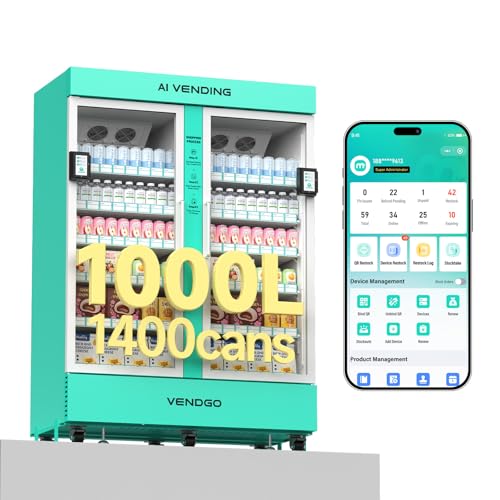
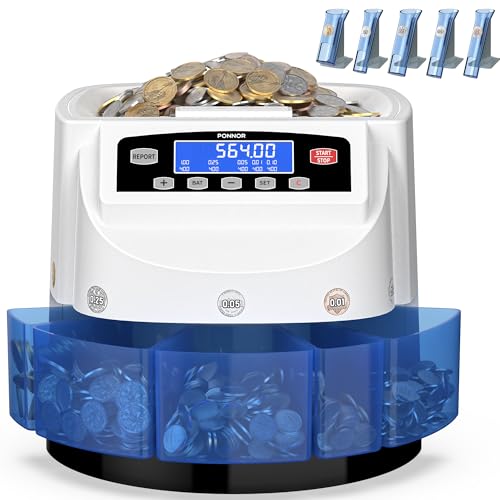
Popular with operators across Arizona. Reliable equipment saves money on repairs and downtime.
As an Amazon Associate, VendingScout earns from qualifying purchases.
Cost Breakdown for Mesa Operators
| Item | Estimated Cost | Notes |
|---|---|---|
| Business License | $50–$150 | Mesa City Hall fees vary by business size |
| Food Service Permit | $200–$400 | Required for consumable items |
| Machine Purchase | $2,000–$5,000 per unit | Depends on model (refrigerated vs. non‑refrigerated) |
| Initial Inventory | $1,000–$3,000 | Bulk purchase from wholesalers |
| Placement Fees | $0–$500/month | Some venues require upfront fees |
| Maintenance & Repairs | $200–$400/month | Includes HVAC checks for refrigerated units |
| Insurance | $500–$1,200/year | Liability and property coverage |
| Software & Tracking | $100–$300/month | Cloud‑based vending management |
| Total First‑Year | $8,000–$15,000 | Varies with number of machines |
These figures provide a baseline for Mesa operators. Keep in mind that the city’s climate can affect energy consumption—refrigerated machines in hot Mesa summers may incur higher electricity costs, so consider energy‑efficient models or solar panel options.
📍 Find the Best Vending Locations in Mesa, AZ
Mesa’s VendingScout score is 64/100 (C+) — use VendingScout to pinpoint high-traffic locations, compare neighborhoods, and get a full market analysis before you invest a dollar.
Success Tips Specific to Mesa
- Leverage Local Partnerships
Collaborate with Mesa Community College’s student services or the Mesa Chamber of Commerce to secure prime locations and community goodwill. The Chamber offers networking events and business resources that can help you navigate local regulations.
- Tailor Product Mix to Climate
Emphasize cold drinks, bottled water, and cooling snacks during summer months. Offer seasonal items like iced teas and chilled fruit cups. In winter, shift to lighter beverages and healthy snacks to maintain demand.
- Promote Health & Wellness
Mesa residents are increasingly health‑conscious. Stocking low‑calorie, high‑protein options—such as Greek yogurt parfaits, protein bars, and unsweetened drinks—can attract a dedicated customer base.
- Implement Smart Pricing
Use dynamic pricing strategies during peak hours (e.g., lunch breaks in corporate districts) to maximize revenue. Consider offering loyalty cards or digital payment options to encourage repeat purchases.
- Stay Visible
Regularly clean and restock machines to maintain a professional appearance. Place signage that highlights your brand and informs customers of product quality and sourcing.
- Monitor Energy Usage
Invest in energy‑efficient refrigeration units or add solar panels to reduce utility costs—a significant factor in Mesa’s hot climate. Highlighting eco‑friendly practices can also appeal to environmentally conscious consumers.
- Engage with the Community
Sponsor local events, such as the Mesa Arts Center’s annual art walk, to build brand recognition. Offer special promotions to event attendees and gather feedback to refine product offerings.
Common Mistakes New Operators Make in Mesa
1. Underestimating Energy Costs
Many operators overlook the high electricity rates required to keep refrigerated units cool during Mesa’s scorching summers. Neglecting to budget for these expenses can erode profits.
2. Ignoring Local Regulations
Failing to secure the necessary permits or misapplying for a business license can result in fines or forced machine removal. Always verify requirements with Mesa City Hall and the Arizona Department of Revenue.
3. Choosing Inappropriate Locations
Placing machines in low‑traffic areas or venues with strict product restrictions (e.g., certain schools) can lead to poor sales. Conduct thorough site assessments before finalizing agreements.
4. Neglecting Inventory Management
Overstocking non‑perishable items while running out of high‑turnover snacks can cause customer frustration. Use vending software to track sales trends and adjust orders accordingly.
5. Overlooking Maintenance
Skipping routine maintenance can lead to machine breakdowns, lost revenue, and negative customer experiences. Schedule regular inspections and keep a maintenance log.
6. Failing to Adapt to Climate
Offering hot beverages during peak summer months in Mesa can reduce demand. Adjust the product mix to align with seasonal preferences and local weather patterns.
7. Insufficient Marketing
Relying solely on foot traffic without promoting your machines can limit growth. Utilize social media, local newsletters, and partnership marketing to increase visibility.
Frequently Asked Questions About Vending in Mesa
1. How much can I realistically earn from a vending machine in Mesa?
Profitability varies by location and product mix, but a well‑placed machine in a high‑traffic area can generate $300–$800 in monthly gross revenue. After deducting costs—inventory, maintenance, and energy—net profits typically range from $150 to $400 per machine per month.
2. Do I need a permit or business license to operate in Mesa?
Yes. You must obtain a business license from Mesa City Hall and, if selling consumables, a food service permit from the Arizona Department of Health Services. Additionally, register for sales tax with the Arizona Department of Revenue.
3. What products sell best in Mesa?
Cold beverages, bottled water, energy drinks, and cooling snacks (e.g., fruit cups, yogurt parfaits) perform well during hot months. Health‑focused items—protein bars, granola, and low‑calorie snacks—attract the city’s health‑conscious population.
4. How many machines do I need to start profitably in Mesa?
Starting with 3–5 strategically placed machines can yield a modest profit while keeping overhead manageable. As you refine operations and build a reliable revenue stream, you can scale to 10 or more units.
5. Can I run a vending business part‑time in Mesa?
Absolutely. Many entrepreneurs manage 3–5 machines part‑time, handling inventory and maintenance during evenings or weekends. Automation and remote monitoring tools further reduce day‑to‑day involvement.
6. What is the biggest challenge for vending operators in Mesa?
Managing energy costs in Mesa’s high temperatures is a primary challenge. Operators must balance refrigeration needs with utility expenses while maintaining product quality.
7. Where can I find wholesale product suppliers serving Arizona?
Arizona-based distributors such as the Mesa Food Service Group, Southwest Beverage Distributors, and national wholesalers like Sysco and US Foods offer bulk purchasing options. Many suppliers provide direct shipping to Mesa locations and support for vending inventory management.
Resources for Mesa Vending Entrepreneurs
- Mesa Chamber of Commerce – Offers networking events, business workshops, and local market insights.
- Arizona Department of Revenue – Provides guidance on sales tax registration and compliance.
- Mesa City Hall – Business Licensing Office – Handles business license applications and permits.
- Arizona Secretary of State – Business Services – Facilitates business entity registration and name searches.
- Mesa Community College – Small Business Center – Offers mentorship and access to campus vending opportunities.
- Mesa Arts Center – Vendor Relations – Coordinates vendor placement for events and gallery spaces.
- Arizona Department of Health Services – Food Service Regulations – Details requirements for vending consumables.
- Local Wholesale Distributors – Mesa Food Service Group, Southwest Beverage Distributors, Sysco, and US Foods.
- Vending Management Software Providers – VendSoft, VendingPro, and VendNet offer inventory and sales analytics tailored for Arizona operators.
- Solar Energy Companies – Mesa Solar Solutions and Arizona Solar Power provide cost‑effective renewable energy options for vending machines.
Ready to Start Your Mesa Vending Business?
VendingScout gives you the data-driven edge — real foot traffic scores, neighborhood comparisons, and ROI projections for Mesa and hundreds of other markets.
Conclusion
Starting a vending machine business in Mesa, Arizona, offers a blend of opportunities and challenges shaped by the city’s population, climate, and regulatory environment. By carefully selecting high‑traffic locations—such as educational institutions, healthcare facilities, and corporate districts—you can tap into a steady stream of customers. Success hinges on understanding local consumer preferences, maintaining compliance with Mesa and Arizona regulations, and managing operational costs, especially energy usage during the city’s scorching summers.
With a solid business plan, strategic partnerships (including the Mesa Chamber of Commerce), and a data‑driven approach to inventory and maintenance, you can build a profitable vending operation that serves Mesa’s diverse community. Remember to adapt your product mix to seasonal demands, keep machines clean and well‑maintained, and leverage technology to streamline operations. Whether you’re launching a handful of machines part‑time or scaling to a full‑time enterprise, Mesa’s dynamic market provides a fertile ground for vending entrepreneurs ready to capitalize on the city’s growth and consumer habits.