Introduction to Vending Machines in Philadelphia
Philadelphia, Pennsylvania’s largest city, offers a unique blend of historic charm, bustling commerce, and a diverse population of over 1.5 million residents. For entrepreneurs looking to tap into a steady revenue stream, the vending machine industry presents an accessible and scalable opportunity. Whether you’re a seasoned business owner or a first‑time entrepreneur, understanding the local market dynamics, regulatory environment, and practical steps for launching a vending operation in Philadelphia is essential for long‑term success.
In this guide, we’ll walk through every aspect of starting a vending machine business in Philadelphia—from identifying prime locations and navigating state and city licensing requirements to managing costs and avoiding common pitfalls. By the end, you’ll have a clear, actionable roadmap tailored specifically to Philadelphia’s unique business landscape.
Why Philadelphia Is a Strong Market for Vending
Philadelphia’s population of 1,584,064 residents, coupled with a median household income of $47,474, creates a steady demand for convenient, affordable products. The city’s mix of residential neighborhoods, academic institutions, corporate hubs, and tourist attractions generates high foot traffic throughout the day and night. Key factors that make Philadelphia a strong vending market include:
1. High Foot Traffic Areas – From the bustling streets of Old City and the vibrant energy of Fishtown to the steady flow of commuters in the Center City subway stations, Philadelphia offers numerous high‑visibility spots for vending machines.
2. Diverse Demographics – The city’s diverse population—students, young professionals, families, and retirees—means there’s a continuous need for snacks, beverages, personal care items, and specialty goods.
3. Year‑Round Activity – Philadelphia’s humid subtropical climate features hot, humid summers and cold, snowy winters. This weather pattern keeps residents and visitors seeking refreshment and comfort products at all times of year.
4. Growing Food & Beverage Culture – The city’s thriving food scene, including iconic spots like Reading Terminal Market, the Italian Market, and the burgeoning craft beer bars, creates opportunities for vending fresh, premium, or niche products.
5. Business Friendly Environment – Pennsylvania offers a relatively straightforward licensing process for vending operators, and the Philadelphia Chamber of Commerce provides resources and networking opportunities for new businesses.
The VendingScout Viability Score for Philadelphia stands at 64/100 (Grade: C+), indicating a solid but competitive market. With the right strategy, a well‑managed operation can thrive in this environment.
Best Location Types in Philadelphia
Choosing the right location is critical. Philadelphia’s geography and zoning regulations influence where vending machines can legally operate. Below are the most effective location types for vending in the city:
| Location Type | Typical Foot Traffic | Ideal Products | Tips for Success |
|---|---|---|---|
| University Campuses – University of Pennsylvania, Temple University, Drexel | High student volume, 24/7 activity | Energy drinks, protein bars, healthy snacks, electronics accessories | Secure campus permission, offer student‑discount programs |
| Transportation Hubs – 30th Street Station, 13th Street Station, Airport | Constant commuter flow | Bottled water, coffee, sandwich items, travel essentials | Ensure machines are ADA compliant and visible |
| Medical Facilities – Jefferson Health, Penn Medicine | Patients, staff, visitors | Healthy snacks, bottled water, personal care items | Coordinate with facility management for placement |
| Corporate Offices – City Hall, Comcast Center, AmTrust | Office workers | Premium coffee, fresh salads, snack boxes | Offer corporate bulk purchase discounts |
| Tourist Attractions – Independence Hall, Liberty Bell, Philadelphia Museum of Art | High tourist footfall | Souvenir snacks, bottled beverages, travel kits | Position near gift shops or entrance points |
| Residential Complexes – Edgewater, Rittenhouse Square condos | Residents and visitors | Snack bundles, personal care items, cleaning supplies | Work with property managers for approvals |
| Retail Stores – Reading Terminal Market, South Street | Shoppers | Fresh produce, beverages, ready‑to‑eat meals | Align product mix with store’s customer base |
When selecting a location, always verify local zoning ordinances and obtain necessary permits from the Philadelphia Department of Licenses & Inspections. Many locations require a “public property” permit or a “private property” agreement, depending on ownership.
Getting Started: Step‑by‑Step Guide for Philadelphia
Below is a practical roadmap to launch your vending machine business in Philadelphia, from initial research to day‑to‑day operations.
1. Conduct Market Research
- Analyze Foot Traffic – Use tools like Google Maps’ “Popular Times” and local business directories to gauge peak hours.
- Identify Competitors – Map existing vending machines in your target area. Note product offerings and price points.
- Survey Potential Customers – Quick surveys at locations can reveal preferred products and price sensitivities.
2. Choose Your Business Structure
- Sole Proprietorship – Easiest to set up, but no liability protection.
- LLC – Offers liability protection and potential tax benefits. Register with the Pennsylvania Department of State.
- Corporation – Suitable for larger operations; involves more complex compliance.
Most Philadelphia vending operators start as LLCs to balance simplicity and protection.
3. Register Your Business
- Pennsylvania Business Registration – File your entity with the Pennsylvania Department of State.
- Philadelphia Business License – Obtain a city business license through the Department of Licenses & Inspections. The application requires a business name, address, and proof of state registration.
- Tax Registration – Register with the Pennsylvania Department of Revenue for state sales tax and with the IRS for an EIN.
4. Acquire a Vending Machine
- New vs. Used – New machines offer warranty and modern tech (cashless, remote monitoring). Used machines reduce upfront cost but may require maintenance.
- Machine Types – Consider snack, beverage, combo, or specialty machines (e.g., cold brew, healthy foods).
- Supplier Relationships – Build a partnership with reputable vendors like Vendo, Vending.com, or local distributors.
5. Secure Product Suppliers
- Local Food Distributors – Philadelphia has many wholesalers such as H&R Food Service and Food Service Supply. These suppliers can offer fresh, locally sourced products.
- National Brands – For staples, partner with PepsiCo, Coca‑Cola, or Nestlé.
- Specialty Items – For niche markets (organic, vegan, gluten‑free), reach out to companies like Nature’s Path or local health food stores.
6. Negotiate Placement Agreements
- Property Owners – For private locations (corporate offices, condos), negotiate a lease or partnership agreement. Offer a revenue share or flat fee.
- Public Locations – For public spaces (parks, transportation hubs), secure a permit from the Philadelphia Department of Public Health or the Transportation Authority. Fees vary by location.
7. Install and Program Machines
- Compliance – Ensure machines meet Pennsylvania’s food safety regulations and ADA accessibility standards.
- Cashless Options – Install card readers, mobile payment systems (Apple Pay, Google Pay), and vending app integrations.
- Remote Monitoring – Use IoT solutions to track inventory, sales, and maintenance alerts.
8. Set Pricing Strategy
- Competitive Pricing – Match or slightly undercut local competitors.
- Dynamic Pricing – Adjust prices based on demand, time of day, or product popularity.
- Promotions – Offer bundle deals (e.g., snack + drink) to increase average transaction value.
9. Launch and Promote
- Grand Opening – Host a launch event at your first location. Offer free samples or discounts to attract attention.
- Social Media – Use Facebook, Instagram, and local community groups to announce new machines.
- Partnerships – Collaborate with nearby businesses for cross‑promotion (e.g., coffee shop customers receive a discount code for your machine).
10. Manage Operations
- Restocking Schedule – Aim for a 2–3 day restocking cycle for high‑traffic machines.
- Maintenance – Schedule regular servicing for cashless systems and mechanical parts.
- Financial Tracking – Use accounting software (QuickBooks, Xero) to monitor revenue, expenses, and tax liabilities.
Recommended Equipment for Philadelphia Vending Operators
Popular with operators across Pennsylvania. Reliable equipment saves money on repairs and downtime.
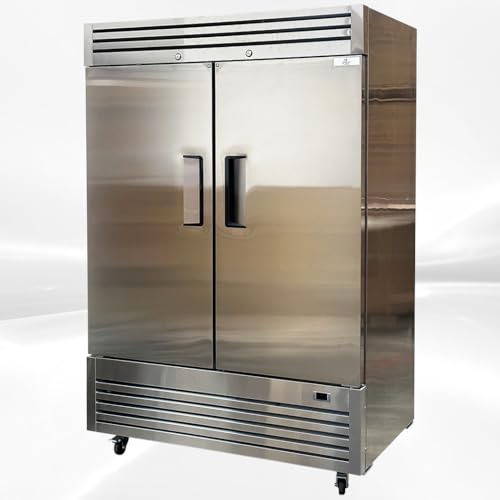
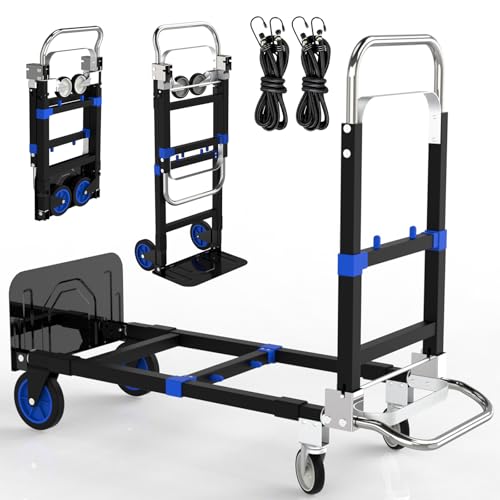
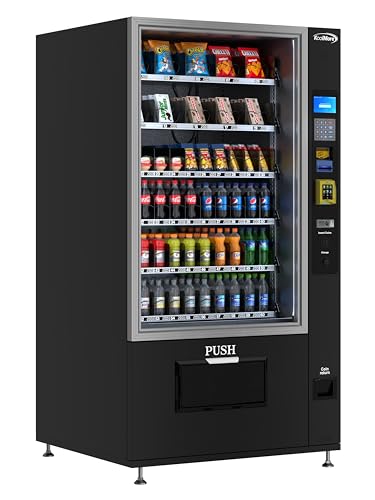
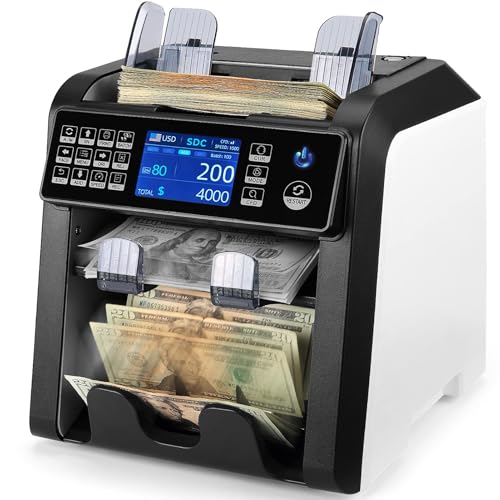
As an Amazon Associate, VendingScout earns from qualifying purchases.
Cost Breakdown for Philadelphia Operators
Understanding upfront and ongoing costs helps you budget accurately and avoid cash‑flow surprises.
| Expense Category | Approximate Cost (USD) | Notes |
|---|---|---|
| Business Registration & Licensing | $300–$500 | Includes Pennsylvania state filing and Philadelphia business license |
| Vending Machine Purchase | $3,000–$10,000 per machine | New machines; used machines can range $1,500–$4,000 |
| Initial Inventory | $1,000–$2,500 | Depends on product mix and machine capacity |
| Placement Fees | $200–$500/month | Varies by location; public sites may charge higher fees |
| Insurance | $500–$1,000/year | General liability and product liability coverage |
| Maintenance & Repairs | $200–$400/month | Includes parts, labor, and cashless system upkeep |
| Cashless Payment Fees | 2–3% per transaction | Processor fees (e.g., Square, PayPal) |
| Marketing & Promotion | $200–$500/month | Social media ads, local flyers, launch events |
| Miscellaneous | $300–$600 | Unexpected expenses (e.g., machine upgrades) |
Total Initial Investment (per machine): Approximately $5,000–$15,000. For a small fleet of 3 machines, you’re looking at $15,000–$45,000.
📍 Find the Best Vending Locations in Philadelphia, PA
Philadelphia’s VendingScout score is 64/100 (C+) — use VendingScout to pinpoint high-traffic locations, compare neighborhoods, and get a full market analysis before you invest a dollar.
Success Tips Specific to Philadelphia
1. Leverage Local Partnerships – Team up with Philadelphia‑based food distributors or local coffee shops to source fresh, high‑quality products that resonate with city residents.
2. Adapt to Climate – In summer, stock cold beverages, ice cream, and chilled snacks. During winter, offer hot drinks, soup jars, and comfort foods. Philadelphia’s humid summers and cold winters demand seasonal flexibility.
3. Comply with Food Safety Regulations – Pennsylvania’s Department of Health requires vending operators to follow strict temperature controls and sanitation protocols. Keep detailed logs for inspections.
4. Utilize Cashless Technology – Philadelphia’s tech‑savvy population appreciates mobile payment options. Install NFC readers and integrate with vending apps to streamline transactions.
5. Offer Healthy Options – Philadelphia’s health‑conscious demographic (especially around universities) favors organic, low‑sugar, and gluten‑free products. Position your machines near campus cafeterias or fitness centers.
6. Engage with the Philadelphia Chamber of Commerce – Attend networking events, workshops, and business expos. The Chamber provides valuable resources, mentorship, and a platform to connect with other local entrepreneurs.
7. Monitor Competitor Movements – Keep an eye on new vending deployments in neighborhoods like Fishtown, South Philly, and the Arts District. Adjust product mix and pricing accordingly.
Common Mistakes New Operators Make in Philadelphia
| Mistake | Why It Happens | How to Avoid It |
|---|---|---|
| Skipping Market Research | Assuming all locations are equal | Conduct foot‑traffic analysis and competitor audits before placement |
| Ignoring Local Regulations | Overlooking city zoning or health codes | Verify permits with the Department of Licenses & Inspections and the Department of Health |
| Underestimating Maintenance Costs | Believing machines are “set and forget” | Allocate a monthly budget for repairs and cashless system updates |
| Overstocking or Understocking | Misjudging product demand | Use data analytics from remote monitoring to adjust inventory levels |
| Neglecting Seasonal Adjustments | Failing to change product mix with weather | Plan a seasonal product calendar that reflects Philadelphia’s climate |
| Not Building Supplier Relationships | Relying on one vendor | Diversify suppliers to mitigate price spikes or shortages |
| Poor Placement Negotiations | Accepting unfavorable revenue splits | Negotiate clear agreements and consider location performance metrics |
Frequently Asked Questions About Vending in Philadelphia
1. How much can I realistically earn from a vending machine in Philadelphia?
A single well‑placed machine in a high‑traffic area can generate $200–$400 in gross revenue per week. After deducting inventory, placement fees, maintenance, and taxes, a net profit of $100–$200 per machine per week is typical. Scaling to 5–10 machines can yield a sustainable monthly income of $2,000–$5,000.
2. Do I need a permit or business license to operate in Philadelphia?
Yes. You must obtain a Philadelphia business license from the Department of Licenses & Inspections. Additionally, for machines located on public property (e.g., parks, transportation hubs), a separate permit from the Department of Public Health or the Transportation Authority is required.
3. What products sell best in Philadelphia?
Popular items include bottled water, coffee, energy drinks, snack bars, and seasonal treats like ice cream in summer or hot cocoa in winter. Specialty products such as organic snacks, gluten‑free items, and locally sourced craft beverages perform well in neighborhoods with health‑conscious or foodie demographics.
4. How many machines do I need to start profitably in Philadelphia?
Starting with 3–5 machines allows you to spread risk while keeping management manageable. With a conservative profit margin of $150 per machine per week, you’ll see a break‑even point within 6–12 months, depending on location performance.
5. Can I run a vending business part‑time in Philadelphia?
Absolutely. Many operators manage a small fleet of 2–4 machines while maintaining other employment. The remote monitoring technology and scheduled restocking make part‑time operation feasible.
6. What is the biggest challenge for vending operators in Philadelphia?
Navigating the city’s permitting and zoning landscape is often the toughest hurdle. Securing placement agreements with property owners or public authorities can be time‑consuming, especially in competitive districts like Center City or the Arts District.
7. Where can I find wholesale product suppliers serving Pennsylvania?
Major Pennsylvania wholesalers include H&R Food Service, Food Service Supply, and Metro Market. For specialty items, look to local distributors such as Philly Food Co‑op or regional health‑food suppliers like Whole Foods Market’s regional distribution center.
Resources for Philadelphia Vending Entrepreneurs
- Philadelphia Chamber of Commerce – Offers networking events, business workshops, and mentorship programs for local entrepreneurs.
- Pennsylvania Department of State – Business Registration – Online portal for registering LLCs, corporations, and other business entities.
- Philadelphia Department of Licenses & Inspections – Handles business licensing, permits, and zoning compliance.
- Pennsylvania Department of Health – Food Safety Guidelines – Provides regulations specific to vending machine operators.
- VendingScout – Market analysis tool to evaluate location viability in Philadelphia.
- Local Wholesalers – H&R Food Service, Food Service Supply, Metro Market, Philly Food Co‑op.
- Vending Machine Manufacturers – Vendo, Vending.com, and local distributors for new or used machines.
- Payment Processors – Square, PayPal, and Stripe for cashless transaction solutions.
- Accounting Software – QuickBooks, Xero for financial tracking and tax preparation.
Ready to Start Your Philadelphia Vending Business?
VendingScout gives you the data-driven edge — real foot traffic scores, neighborhood comparisons, and ROI projections for Philadelphia and hundreds of other markets.
Conclusion
Launching a vending machine business in Philadelphia offers a blend of opportunity and challenge. The city’s dense population, vibrant neighborhoods, and diverse consumer base create high demand for convenient, affordable products. However, success hinges on meticulous planning—conducting thorough market research, securing the right permits, selecting strategic locations, and maintaining operational excellence.
By following the step‑by‑step guide outlined above, leveraging local resources such as the Philadelphia Chamber of Commerce, and staying attuned to seasonal shifts and regulatory requirements, you can build a profitable vending operation that serves the heart of the city. Whether you’re operating part‑time or scaling to a fleet of machines, Philadelphia’s dynamic market rewards entrepreneurs who combine data‑driven decisions with community‑focused product offerings. Good luck, and may your vending venture thrive in the City of Brotherly Love.