Introduction to Vending Machines in Washington
Washington, DC, a city of 705,749 residents, sits at the heart of American politics and culture. With a median household income of $93,547, the market is both affluent and diverse, making it an ideal playground for entrepreneurs looking to launch a vending machine business. Washington’s unique blend of government agencies, universities, corporate headquarters, and tourism hotspots creates a steady stream of foot traffic that can translate into consistent revenue for vending operators. In this guide, we’ll walk you through every step—from assessing the viability of a vending machine in Washington to securing permits, selecting products that thrive in the local climate, and avoiding common pitfalls. By the end, you’ll have a clear roadmap to start, grow, and profit from a vending business in Washington.
Why Washington Is a Strong Market for Vending
Washington’s economy is anchored by federal government agencies, such as the Department of Defense, the Environmental Protection Agency, and the Smithsonian Institution. These entities employ thousands of people who rely on convenient snack and beverage options during long workdays. Additionally, Washington hosts major universities—George Washington University, Georgetown University, and American University—whose students and staff generate constant demand for quick, affordable food choices.
The city’s climate, characterized by hot, humid summers and cold, dry winters, influences product selection. For instance, cold drinks and light snacks sell well in summer, while hot beverages and warm pastries find a niche in winter. Washington’s high median income supports premium offerings, such as organic snacks or artisanal coffee, which can command higher margins.
With a VendingScout Viability Score of 80/100 and a Grade of A‑, Washington demonstrates strong potential for vending profitability. The city’s dense population and high daily foot traffic, especially in areas like the Dupont Circle, Foggy Bottom, and the National Mall, provide ample opportunities for strategically placed vending machines. Moreover, Washington’s robust tourism industry—drawing millions of visitors annually—creates a transient customer base that is often looking for quick, accessible refreshments.
Best Location Types in Washington
Choosing the right location is critical. In Washington, the following spots consistently yield high sales:
1. Government Buildings – The U.S. Capitol, the White House Office Buildings, and the Pentagon’s public areas often lack convenient snack options. Partnering with facility managers to place machines in break rooms or lobby areas can secure a reliable customer base.
2. University Campuses – Dormitories, lecture halls, and student centers on the campuses of GWU, Georgetown, and American University attract thousands of students daily. Machines offering healthy snacks, coffee, and energy drinks resonate well with this demographic.
3. Corporate Offices – District headquarters for companies like Booz Allen Hamilton, Capital One, and the World Bank often have limited vending options. Machines stocked with premium coffee, fresh fruit, and low‑calorie snacks can become a valued amenity.
4. Hospitality Hubs – Hotels such as the Willard InterContinental and the Hay-Adams, as well as boutique accommodations in the U Street Corridor, benefit from 24‑hour vending machines offering snacks, drinks, and toiletries.
5. Transportation Centers – Metro stations (e.g., L’Enfant Plaza, Union Station), bus terminals, and the DC Circulator stops experience high foot traffic. Machines here should focus on grab‑and‑go items, bottled water, and caffeine boosters.
6. Tourist Attractions – The Smithsonian museums, the National Gallery of Art, and the National Zoo are popular destinations. Machines placed near gift shops or entrance lobbies can capture impulse purchases from visitors.
When scouting locations, consider the local competition, foot traffic patterns, and whether the site permits vending machine placement. Washington’s zoning regulations require operators to obtain a vending machine permit from the District of Columbia Office of the Attorney General’s Consumer Protection Division.
Getting Started: Step‑by‑Step Guide for Washington
1. Research the Market
Use tools like VendingScout and local business directories to identify high‑traffic areas. Verify that the chosen sites allow vending operations and that you can secure placement agreements with building owners or facility managers.
2. Create a Business Plan
Outline your business model, target market, product mix, pricing strategy, and projected revenue. Include a detailed cash‑flow analysis that accounts for Washington’s seasonal demand fluctuations.
3. Register Your Business
Register a legal entity (LLC, corporation, or sole proprietorship) with the District of Columbia Department of Consumer and Regulatory Affairs (DCRA). Washington requires all vending operators to file a Business Registration Certificate and pay an annual fee.
4. Obtain a Vending Machine Permit
Apply through the DCRA’s Consumer Protection Division. The permit process involves submitting machine specifications, product lists, and proof of compliance with food safety standards. Washington’s health regulations mandate that all food vending machines meet the District’s Food Code.
5. Secure Insurance
Acquire general liability and property insurance. Washington’s high liability exposure—especially in public spaces—makes comprehensive coverage essential.
6. Choose Your Machines
Select models that fit Washington’s climate and customer preferences. For example, climate‑controlled machines that keep beverages cold during humid summers and warm drinks warm during winter are ideal.
7. Source Products
Partner with local wholesalers or national distributors. Washington’s proximity to the East Coast gives access to a wide range of suppliers. For specialty items, consider local producers like DC Coffee Co. or artisanal snack companies based in the city.
8. Negotiate Placement Agreements
Draft contracts with building owners that outline revenue sharing, maintenance responsibilities, and lease terms. Washington’s commercial lease laws require clear delineation of duties to avoid disputes.
9. Install and Test Machines
Coordinate installation with the building’s maintenance team. Test each machine to ensure it dispenses correctly and maintains proper temperature settings.
10. Launch Marketing Campaigns
Use local advertising, social media, and partnerships with nearby businesses to promote your vending services. Highlight Washington’s unique offerings—such as locally sourced snacks—to attract eco‑conscious consumers.
11. Maintain and Optimize
Schedule regular restocking, cleaning, and software updates. Monitor sales data to adjust product mix based on Washington’s seasonal trends and customer preferences.
Recommended Equipment for Washington Vending Operators
Popular with operators across District of Columbia. Reliable equipment saves money on repairs and downtime.
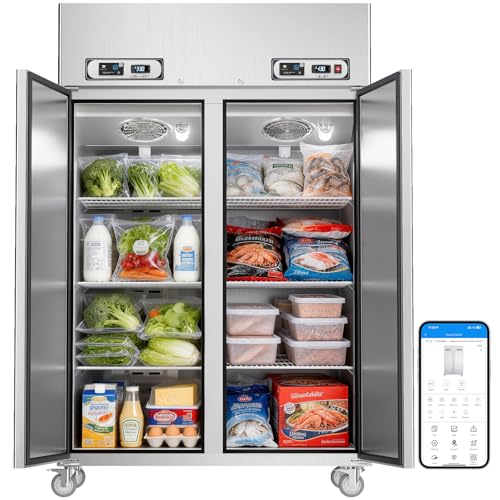
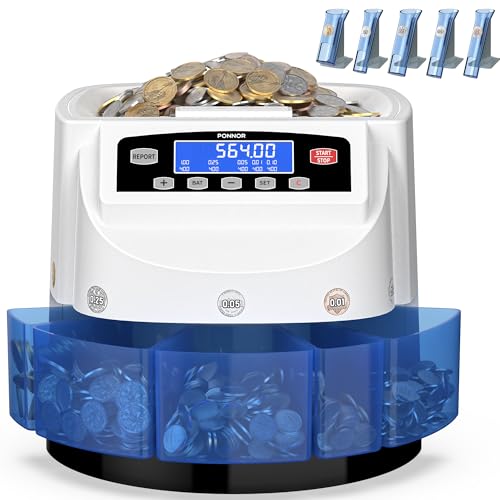
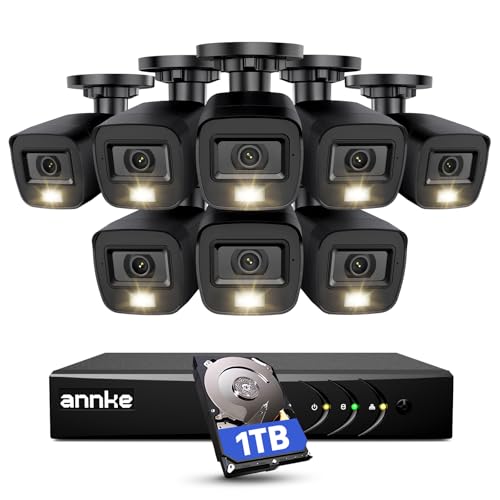
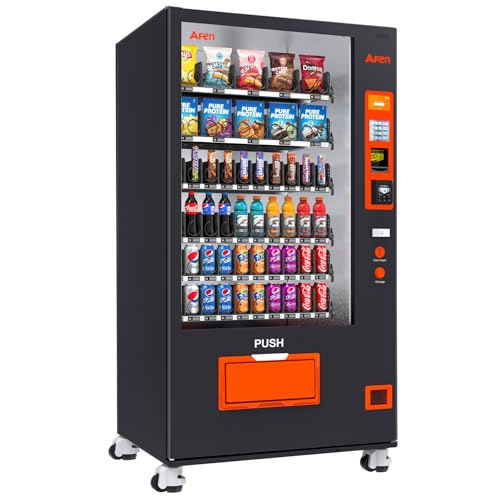
As an Amazon Associate, VendingScout earns from qualifying purchases.
Cost Breakdown for Washington Operators
| Expense Category | Estimated Cost (USD) | Notes |
|---|---|---|
| Business Registration | $200 | One‑time fee with DCRA |
| Vending Machine Permit | $150 | Annual renewal required |
| Insurance (Liability & Property) | $1,200–$1,800 | Depends on coverage limits |
| Machine Purchase | $3,000–$6,000 per unit | Climate‑controlled models are pricier |
| Product Inventory | $500–$1,200 per month | Varies by product mix and volume |
| Placement Lease | $400–$800 per month per machine | Negotiated with building owner |
| Maintenance & Repairs | $200–$400 per month | Includes service contracts |
| Software & Payment Processing | $100–$200 per month | Includes transaction fees |
| Marketing & Advertising | $200–$500 per month | Local ads, social media |
| Total Monthly Operating Cost | $4,800–$7,200 | For 1–2 machines |
These figures provide a baseline. Washington’s high median income allows for premium pricing, potentially offsetting higher operational costs. Additionally, the city’s robust tourism season can boost sales during peak periods, improving overall profitability.
📍 Find the Best Vending Locations in Washington, DC
Washington’s VendingScout score is 80/100 (A-) — use VendingScout to pinpoint high-traffic locations, compare neighborhoods, and get a full market analysis before you invest a dollar.
Success Tips Specific to Washington
1. Leverage Government Contracts
Many federal agencies offer procurement opportunities for vending operators. Register as a vendor with the General Services Administration (GSA) to access large contracts that can guarantee long‑term placement.
2. Capitalize on Tourism Peaks
Washington’s tourist influx peaks during the summer months (June–August) and around major events like the Fourth of July celebrations. Stock more beverages and snacks during these periods to capture impulse buyers.
3. Offer Healthy, Local Options
Washington residents prioritize health and sustainability. Include locally sourced, organic snacks and beverages to appeal to this demographic. Highlighting DC‑grown produce can differentiate your machines.
4. Use Smart Technology
Implement cashless payment options such as Apple Pay, Google Wallet, and contactless card readers. Washington’s tech‑savvy population expects convenience and speed.
5. Maintain Climate Control
The city’s humid summers and cold winters demand reliable temperature regulation. Invest in high‑efficiency HVAC‑integrated machines to preserve product quality and reduce spoilage.
6. Engage with the Washington Chamber of Commerce
The Chamber offers networking events, business resources, and advocacy. Joining can help you stay informed about local regulations and connect with potential partners.
7. Monitor Local Regulations
Washington’s health codes and zoning ordinances can change. Subscribe to updates from the DCRA’s Food Code Board to ensure ongoing compliance.
Common Mistakes New Operators Make in Washington
1. Ignoring Permit Requirements
Some operators overlook the need for a vending machine permit, leading to fines and forced removal from premises. Always secure the necessary approvals before installation.
2. Underestimating Climate Impact
Placing standard machines in humid or cold environments can result in product spoilage or machine malfunction. Choose climate‑controlled units suited to Washington’s weather.
3. Choosing Poor Locations
Placing machines in low‑traffic areas or where competitors already dominate limits sales. Conduct thorough foot‑traffic studies before committing.
4. Inadequate Product Rotation
Failing to refresh inventory regularly leads to stale products and customer dissatisfaction. Washington’s fast‑moving market demands frequent restocking.
5. Neglecting Maintenance
Skipping routine cleaning or software updates can cause dispensing errors and damage the machine’s reputation. Schedule regular maintenance to keep operations smooth.
6. Not Accounting for Seasonal Demand
Ignoring seasonal shifts—such as increased demand for cold drinks in summer—can cause inventory mismatches and lost revenue.
7. Poor Contract Negotiations
Overpaying for placement or not clearly defining responsibilities can erode profit margins. Secure favorable lease terms and outline maintenance duties in the contract.
Frequently Asked Questions About Vending in Washington
1. How much can I realistically earn from a vending machine in Washington?
Earnings vary based on location, product mix, and machine count. A single well‑placed machine in a high‑traffic area can generate $2,000–$3,500 in monthly gross revenue. With two machines, you could see $4,500–$7,000 per month before expenses.
2. Do I need a permit or business license to operate in Washington?
Yes. You must register your business with the District of Columbia Department of Consumer and Regulatory Affairs (DCRA) and obtain a vending machine permit from the Consumer Protection Division. A Business Registration Certificate is also required.
3. What products sell best in Washington?
Health‑conscious snacks, artisanal coffee, bottled water, energy drinks, and locally sourced produce perform well. Seasonal items—such as cold drinks in summer and warm beverages in winter—also drive sales.
4. How many machines do I need to start profitably in Washington?
Starting with one strategically located machine is viable. However, to achieve profitability and diversify risk, many operators deploy 2–4 machines across different high‑traffic sites.
5. Can I run a vending business part‑time in Washington?
Absolutely. Many part‑time operators manage 1–3 machines, handling restocking and maintenance during evenings or weekends. Washington’s robust tourism and office culture provide consistent foot traffic that supports part‑time models.
6. What is the biggest challenge for vending operators in Washington?
Navigating the city’s regulatory landscape—particularly health codes, zoning ordinances, and permit requirements—can be complex. Additionally, maintaining machine performance in Washington’s varied climate requires diligent upkeep.
7. Where can I find wholesale product suppliers serving District of Columbia?
Local wholesalers such as DC Snacks, The Food Group, and national distributors like Sysco and US Foods deliver to Washington. For specialty items, consider partnering with DC Coffee Co., local bakery cooperatives, or artisanal snack producers in the city.
Resources for Washington Vending Entrepreneurs
- District of Columbia Office of the Attorney General – Consumer Protection Division
Provides vending machine permits, food safety guidelines, and regulatory updates.
Website: https://www.dc.gov/consumer-protection
- Department of Consumer and Regulatory Affairs (DCRA)
Handles business registration, licensing, and compliance.
Website: https://dc.gov/dcra
- Washington Chamber of Commerce
Offers networking events, business development resources, and advocacy.
Website: https://washingtonchamber.com
- VendingScout
Offers market analysis tools, feasibility scores, and competitive data specific to Washington.
Website: https://vendingscout.com
- DC Food Code Board
Publishes updates on food safety regulations applicable to vending.
Website: https://dc.gov/foodcode
- Local Wholesale Suppliers
- DC Snacks (https://www.dcsnacks.com)
- DC Coffee Co. (https://www.dccoffee.com)
- The Food Group (https://www.thefoodgroup.com)
- City of Washington Public Works
Provides guidance on placing vending machines in public spaces.
Website: https://www.dc.gov/publicworks
Ready to Start Your Washington Vending Business?
VendingScout gives you the data-driven edge — real foot traffic scores, neighborhood comparisons, and ROI projections for Washington and hundreds of other markets.
Conclusion
Washington, DC, offers a vibrant, high‑income market with diverse foot traffic—from federal employees and university students to tourists exploring the National Mall. By understanding the city’s regulatory environment, tailoring product offerings to its climate and consumer preferences, and strategically selecting locations, you can build a profitable vending machine business. Start with a solid business plan, secure the necessary permits, choose climate‑controlled machines, and maintain rigorous inventory management. Leverage local resources such as the Washington Chamber of Commerce and the DCRA to stay compliant and network with potential partners. With careful planning and execution, your vending venture can thrive in Washington, delivering convenience to the city’s residents and visitors while generating sustainable income for you.